What Is a Fake Insurance Card Scam
A fake insurance card scam gives you a document that looks like proof of coverage when no real policy backs it up.
It's a card that looks valid but isn't tied to a real policy
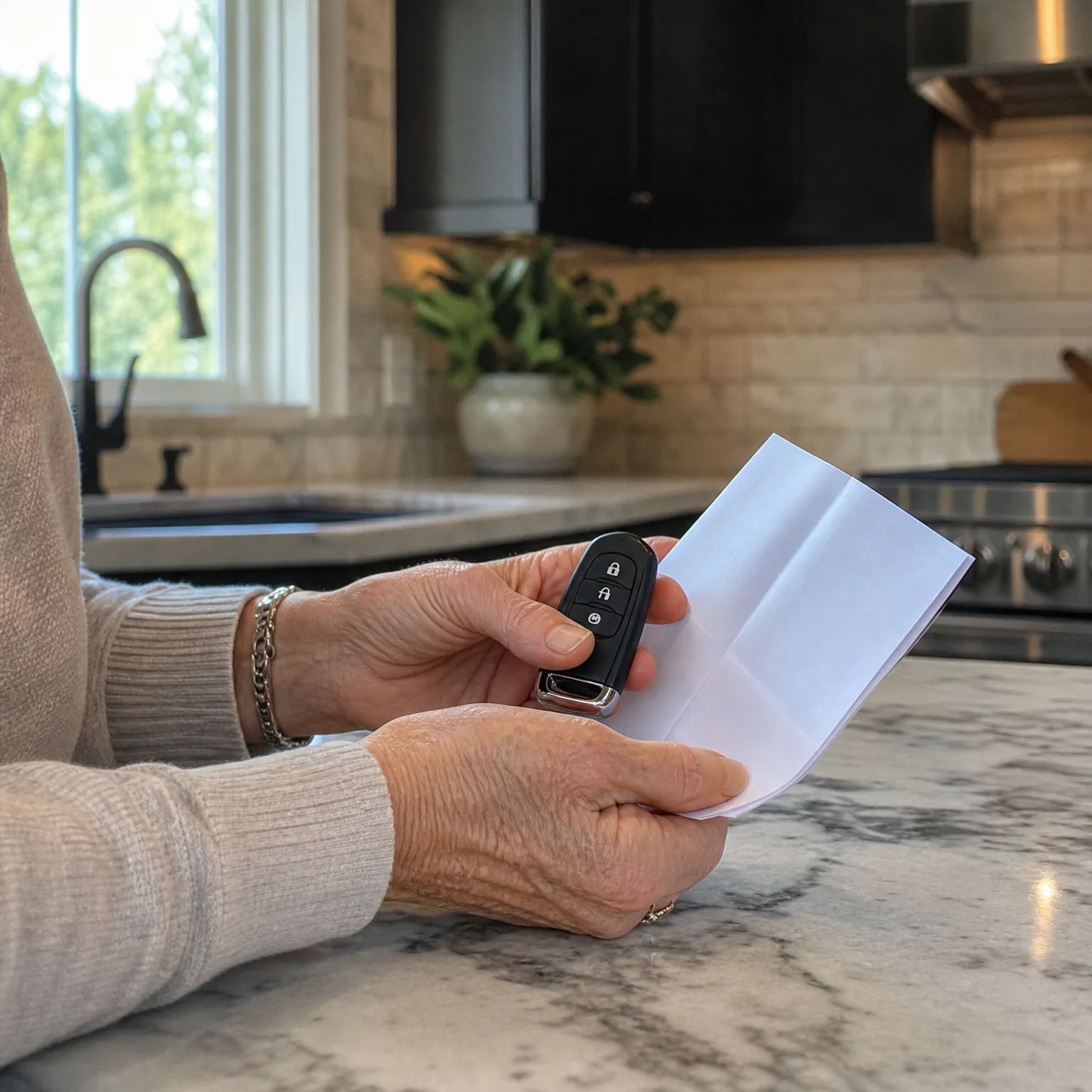
A fake insurance card scam happens when someone sells or issues an insurance card that was never backed by an actual policy with a licensed insurer. The card can look convincing. It has a company name, a policy number, dates, sometimes a logo that matches a real insurer. But if you call that insurer, they have no record of you.
This catches older drivers in a few common ways. Someone offers a policy priced well below what other insurers quoted, collects payment, and hands over a card that was never real. Or a policy lapses and a middleman keeps issuing cards anyway. Either way, you find out the coverage never existed, usually at the worst possible time, which is after a crash or a traffic stop.
Whether the insurer on the card is one you can actually verify
The most important check is simple. Call the insurer named on the card directly, using a number you look up yourself rather than one printed on the card, and ask them to confirm the policy number and your name are on file. A real insurer can confirm this in minutes. If they have no record of you, the card is worthless no matter how official it looks.
Every state has an insurance department that licenses carriers to sell auto insurance there. If the company on your card isn't licensed in your state, that's a serious warning sign, even if the company is real somewhere else. You can check this with your state's insurance department.
A legitimate insurer will also send you a declarations page, the document that spells out your coverage limits, deductibles, and what you're actually paying for. If you only ever received a card and nothing else, ask for that document. Its absence is a sign worth taking seriously.
If you paid cash to an agent or broker rather than the insurer directly, and never received a welcome packet or any correspondence from the insurer itself, treat that as a reason to verify before you drive another mile on that card.

How the scam usually gets sold to someone your age
These scams often target drivers who are shopping for lower rates, sometimes after a renewal notice came in higher than expected. A caller or an unlicensed agent offers a price that beats every other quote by a wide margin, and moves fast to get payment before you can compare it elsewhere. That speed is often the tell. Legitimate insurers don't need you to decide today.
Some versions of this scam don't involve a stranger at all. A policy you've had for years lapses because a payment didn't go through, or the insurer dropped you for a reason you were never told about, and whoever sold you the policy keeps sending renewal cards anyway without telling you the underlying policy is gone. You keep paying someone, but not an insurer.
If a friend, a relative, or someone who sold you the policy suggests you don't need to verify it because they vouch for it personally, that's worth being skeptical of. The person vouching for a policy is not the same as the insurer confirming it exists.
If you already suspect your card isn't real, don't wait for a traffic stop to find out. Contact your state's insurance department, which can tell you whether the company is licensed and whether there have been complaints against the person who sold it to you.
Questions people ask about this
How do I know if my insurance card is real?
Call the insurer named on the card using a phone number you find independently, not one printed on the card itself, and ask them to confirm your policy is active. If they have no record of you or the policy number doesn't match, the card isn't valid. A real insurer can also send you a declarations page showing your actual coverage.
What happens if I get pulled over with a fake insurance card?
This depends on your state, since the penalties for driving without valid insurance vary by state and are enforced differently. In general, you could face the same consequences as someone with no insurance at all, since that's effectively what a fake card means. Check with your state's DMV or insurance department for what applies where you live.
Can I get my money back if I bought a fake insurance policy?
It depends on who sold it to you and whether they were licensed to sell insurance in your state. If an unlicensed agent or a scam operation took your payment, recovering it may require filing a complaint with your state's insurance department or reporting it as fraud to local authorities. A licensed insurer that made an administrative error is a different situation and usually easier to resolve directly with them.
What's the difference between a lapsed policy and a fake one?
A lapsed policy was real at some point but is no longer active, often because a payment was missed or the insurer chose not to renew it. A fake policy was never backed by a real insurer at all. Both leave you uninsured, but a lapsed policy usually shows up when you call the insurer, since they'll have a record of you even if coverage has ended.
Who do I report a fake insurance scam to?
Your state's insurance department is the right place to start, since they license insurers and agents and investigate complaints against them. If you lost money, local police or your state attorney general's consumer protection office can also take a fraud report. Keep any cards, receipts, or correspondence you were given as evidence.
If you want to know your coverage is real, compare quotes from insurers you can verify yourself.
Find the name of the insurer on your current card and call them directly this week, using a phone number you look up on your own rather than one printed on the card. Ask them to confirm your policy number, your name, and your coverage dates. Ask for a declarations page if you don't already have one. If anything doesn't match or they have no record of you, contact your state's insurance department before you drive again. While you're at it, get a few quotes from licensed insurers so you have a real comparison and know what a legitimate policy at your age actually costs.