Avoiding Car Insurance Scams
The best protection is knowing what a real insurer will never ask you to do.
Slow down and verify who you're dealing with
Most car insurance scams work because they create urgency. A call saying your policy will lapse today, an email saying you qualify for a discount if you act now, a quote that's far lower than anything else you've seen. A real insurer or agent will give you time to think it over and will never pressure you to pay immediately by gift card, wire transfer, or over the phone to someone who called you first.
The other common thread is an unlicensed seller. Anyone selling car insurance in your state has to be licensed in that state. That's easy to check and it takes a scam off the table immediately if the person can't produce it.
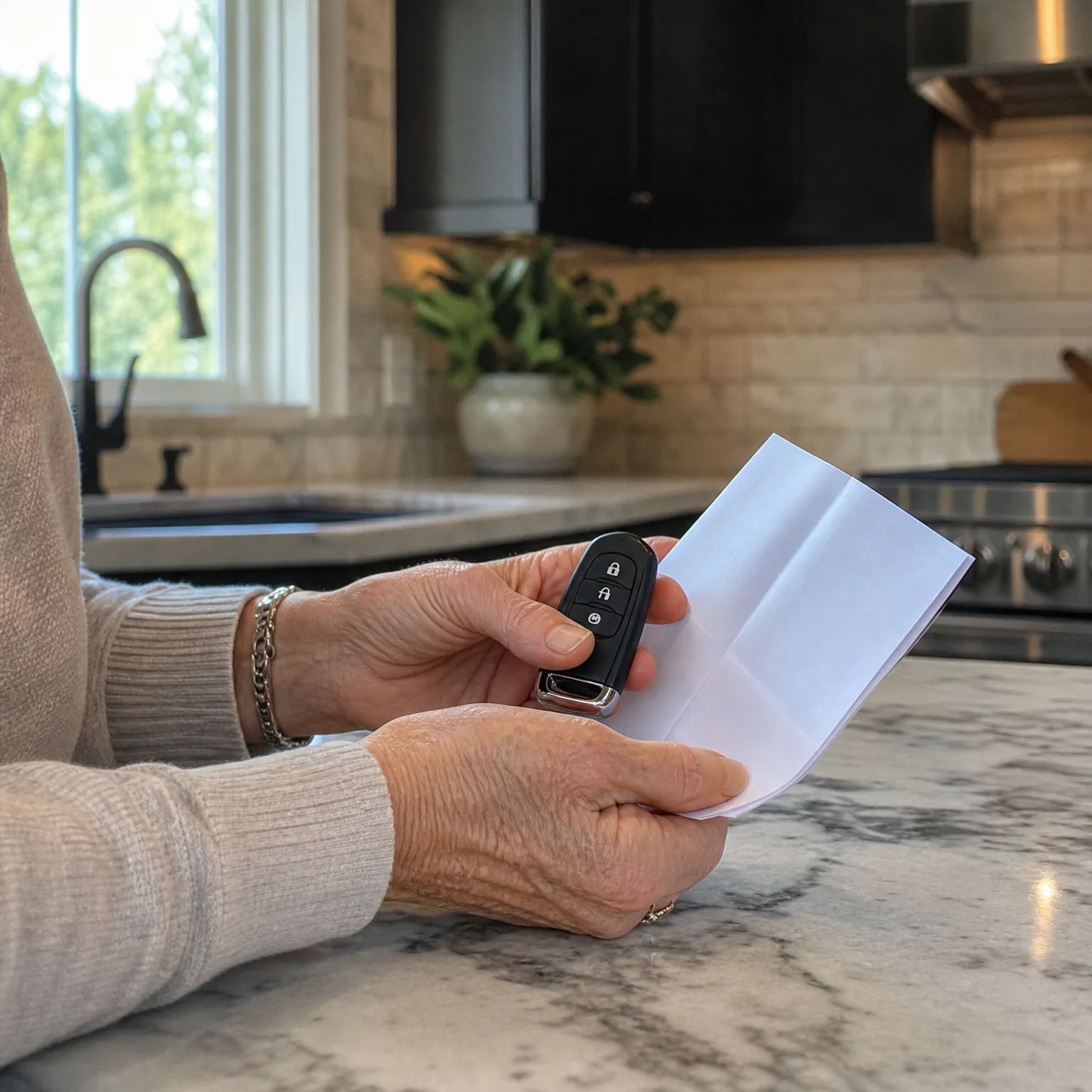
Your state's insurance department can confirm who's real
Every state has an insurance department that licenses agents and insurers and keeps a public record you can search. Before you buy anything or give out your policy number, look up the agent's name or the company's name there. If they aren't listed, that settles it.
This matters more than it might seem because scam operations often use names that sound almost identical to real insurers. A letter or call that references a company you've heard of isn't proof it's that company. Check the license, not the name.
If you're renewing with an insurer you already have, you can also call the number on your actual policy document or last billing statement, not a number from an email or a text, to confirm anything that seems off.
What a legitimate discount offer looks like
Real discounts for things like a defensive driving course, bundling policies, or low mileage are applied to your existing policy after you send proof, like a course certificate. They don't arrive as a surprise check, a prize, or a reason to switch insurers immediately.
Be cautious of anyone who contacts you first offering a refund or rebate on a policy you didn't know was overpaid. Insurers don't typically reach out that way, and if there were an error on your account, your own insurer can tell you directly when you call the number on your policy.
If a quote seems unusually low compared to others you've gotten, ask what's excluded. Sometimes it's a real quote with less coverage. Sometimes it's a lure to get your personal information, and the real price appears later, if a policy ever gets issued at all.
Questions people ask about this
How do I check if an insurance agent is licensed?
Your state's insurance department keeps a public license lookup you can search by name. It will show whether the agent or company is currently licensed to sell in your state and whether there have been any complaints or actions against them.
What should I do if I already paid someone I think was a scam?
Contact your state insurance department and your bank or card issuer as soon as you suspect it. The sooner a payment is reported, the more options there may be to reverse it or flag the account.
Can someone cancel my real policy without me knowing?
This isn't common, but if you're ever unsure whether your policy is active, call your insurer directly using the number on your card or statement, not a number given to you by someone else, and ask them to confirm your status.
Are mailers offering a lower rate ever legitimate?
Some are real marketing from licensed insurers. The way to tell is to check the company name against your state's license lookup before responding, rather than trusting the letterhead.
Why do scammers target older drivers specifically?
Older drivers are more likely to have paid-off cars, long insurance histories, and steady schedules, which can make them appear to have more to lose and more time to answer a call. None of that makes you obligated to respond quickly to anyone who contacts you first.
If you want to compare real, licensed insurers instead of guessing who to trust, start here.
This week, pull out your current policy or your last renewal notice and find the direct phone number for your insurer. Save it somewhere you'll actually use it, so if anything unusual shows up later, a call, an email, a letter, you can check it against the real source instead of the one that contacted you. If you've recently gotten an offer that felt rushed or too good, look up the company or agent in your state's insurance license lookup before giving them anything. And if you're due for a real renewal, that's a good time to compare a few licensed insurers directly so you have something to measure any other offer against.