What Are the Most Common Insurance Scams
Most scams aimed at older drivers involve someone asking for money, a signature, or your policy number before you've had time to check who they really are.
The scams to know are the ones built around trust and urgency
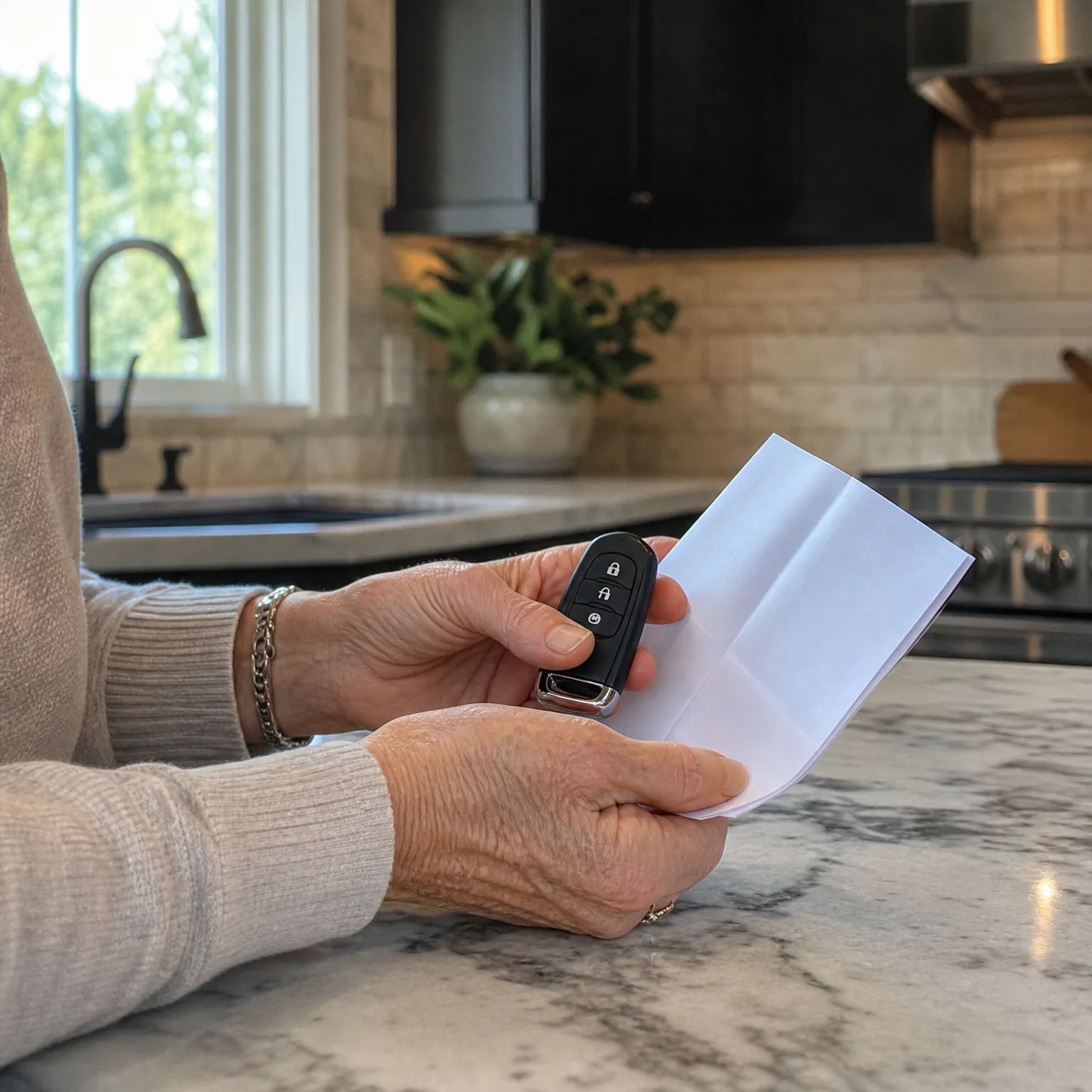
The most common ones involve someone contacting you directly, by phone, mail, or at your door, claiming to be from your insurer or a government office, and asking you to act fast. They might say your policy is about to lapse, that you owe a payment, or that you qualify for a refund if you confirm your personal details right now.
Others come from people posing as agents offering a lower rate if you switch today, then taking a payment for a policy that never gets written. Staged accidents are another kind, where someone intentionally causes a minor collision so you'll file a claim they can profit from.
What makes these work on anyone, not just older drivers, is the pressure to decide quickly and the appearance of official language. The ones aimed at older drivers often add a layer of politeness or concern, mentioning a relative or a health detail to seem credible.
Whether they contacted you or you contacted them
This is the detail that separates a real offer from a setup. Your actual insurer will not call you out of nowhere demanding payment over the phone or asking you to confirm your Social Security number to avoid cancellation.
If someone reaches out first, whether by phone, text, or a knock at the door, and asks for money or personal information, stop and call your insurer yourself using the number on your card or a recent bill. Never use a number or link they give you.
This also applies to anyone offering a quote that sounds unusually low or a refund you didn't request. A legitimate discount or refund will show up through your insurer's normal channels, not through a stranger asking you to act within the hour.
If you're ever unsure whether a call or letter is genuine, your insurer's customer service line can confirm it in a few minutes.
What most people get wrong about staged accidents
Many drivers assume a scam means someone lying to them directly, but staged accidents work differently. Someone deliberately brakes suddenly in front of you, waves you into a lane, or rear-ends you in a way that looks like your fault, then files a claim or brings in passengers claiming injury.
The mistake is treating every fender bender as straightforward. If a collision feels staged, such as multiple passengers in the other car or a driver who seems to invite the crash, write down everything you can: the other car's plate, the time, the location, and any witnesses.
Call the police to file a report even for a minor collision. A police report creates a record that makes it harder for a staged claim to succeed, and your insurer will want that documentation regardless.
Questions people ask about this
How do I know if a call claiming to be my insurance company is real?
Hang up and call your insurer back using the number on your insurance card or a recent statement, not a number the caller gives you. A real insurer will never ask you to confirm your full Social Security number or pay by gift card over the phone.
What should I do if I think I've already given out information to a scammer?
Contact your insurer right away to let them know, and consider placing a fraud alert with the credit bureaus. The sooner you report it, the easier it is to stop any new accounts or claims from being opened in your name.
Can someone else file a claim using my policy without my knowledge?
It's possible if they have enough of your personal details, which is why insurers encourage you to check your policy statements regularly for claims you don't recognize. If you spot one, call your insurer immediately to dispute it.
Are door to door insurance salespeople ever legitimate?
Some licensed agents do work door to door, but you can always ask for their license number and verify it with your state's insurance department before signing anything or making a payment. A legitimate agent won't object to you taking time to check.
What's the safest way to shop for a new policy without running into a scam?
Work only with insurers or agents you can independently verify, either through your state insurance department's website or by comparing quotes through a source you trust. Avoid giving payment information to anyone who contacts you first with an unsolicited offer.
If you're thinking about switching insurers, it helps to compare real quotes from companies you can verify.
Pull out your most recent insurance statement and check it against your bank or credit card records for any charges or claims you don't recognize. Save your insurer's actual customer service number somewhere easy to find, like on your phone or next to your policy documents, so you're not relying on whatever number a caller gives you. If you've been contacted recently by someone claiming to represent your insurer or offering a deal that required quick action, call your insurer directly this week to confirm whether it was legitimate. If you decide you want to shop for a better rate, do it through a source you chose yourself, not one that reached out to you first.