Why Is My Car Insurance So High with a Clean Record
A clean record keeps your rate from climbing further, but it doesn't control the other factors your insurer weighs.
A clean record is one factor among several
Your driving record keeps you from paying more than you already do. It doesn't offset everything else your insurer looks at, like your age, where you live, the car you drive, and how much coverage you carry. Two drivers with identical records can pay very different amounts because the rest of their profile differs.
For older drivers specifically, age itself becomes part of the calculation again after a long stretch where it mostly worked in your favor. Insurers have data showing how often drivers in different age bands file claims, and that data doesn't stay flat forever. A clean record offsets some of that, but it doesn't erase it.

Your age is doing more than you'd expect
For most of your driving life, getting older meant your rate kept dropping. That trend doesn't continue indefinitely. Many insurers start adjusting their pricing for older drivers at some point, based on broader claims data for that age group, not on anything about you personally.
This isn't the same as a penalty for a mistake. It's a statistical adjustment applied to a group you now belong to. Your clean record still matters within that group. A driver your age with no violations will generally be priced lower than one with a recent claim.
If your premium jumped and nothing in your driving changed, ask your insurer directly what changed in how they're pricing your age group. Some insurers adjust gradually, others apply a bigger shift at a specific point. That difference is set by the insurer, not by any single rule, so it's worth asking rather than assuming.
A few insurers offer programs or discounts aimed specifically at older drivers, including credit for completing an approved defensive driving course. Ask your insurer whether they offer this and what they need from you to apply it.
What else is shaping the number
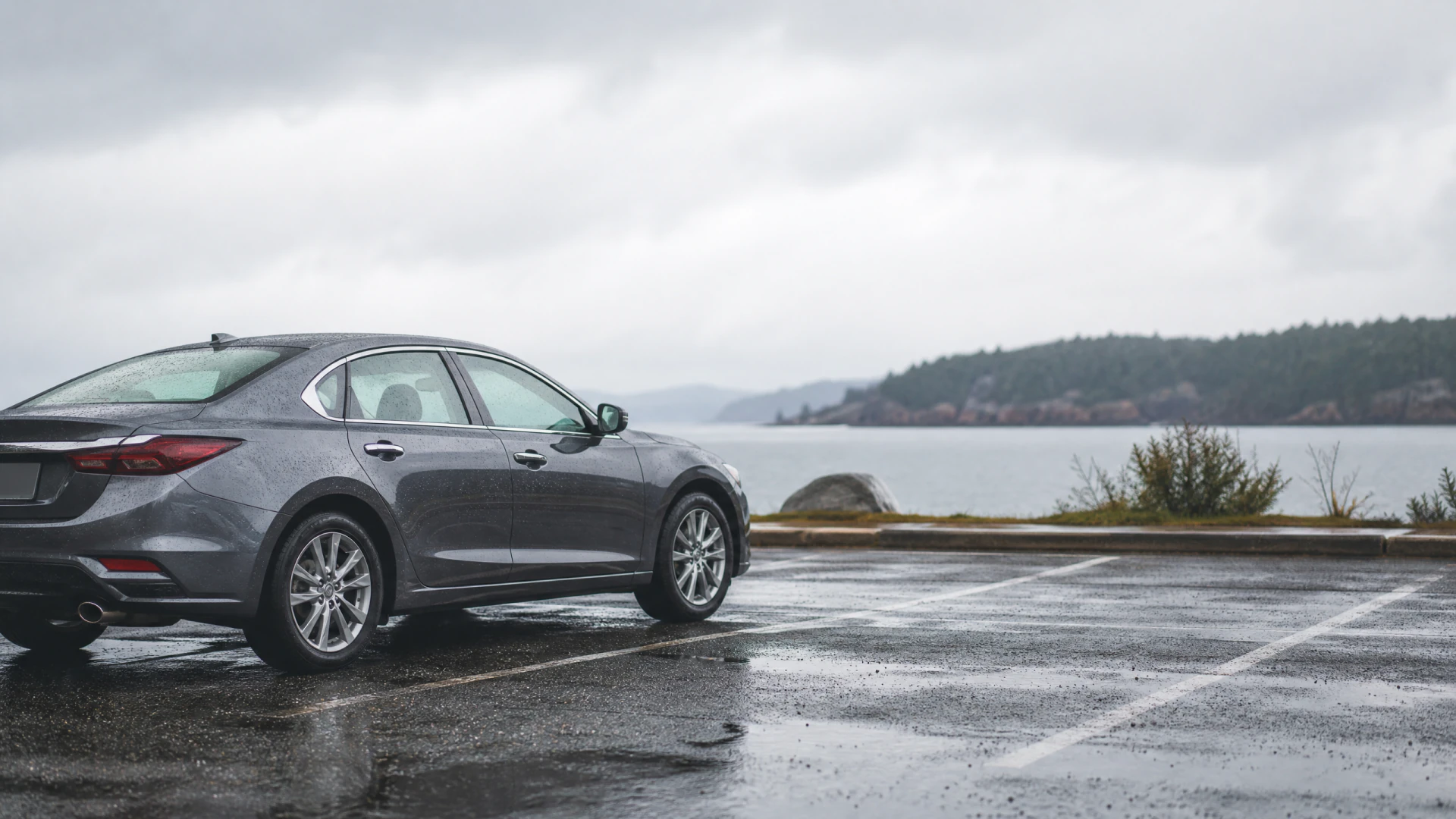
Your car matters as much as your record does. The cost to repair or replace your specific vehicle, and how often that model is involved in claims, feeds directly into your premium. If you're driving the same car you had years ago, its value and repair costs have likely shifted, and your premium reflects that even though your driving hasn't changed.
Where you live plays a role too. Rates are set in part by your state and even your specific area, based on local accident rates, repair costs, and how often claims get filed nearby. A move, or just a shift in local patterns, can change your premium without anything about you changing at all.
Your coverage choices add up as well. If you've kept the same deductible and coverage limits for years without reviewing them, you may be paying for more coverage than you need, or carrying a deductible that no longer makes sense for the car's current value. This is worth checking against what the car is actually worth now.
Questions people ask about this
Does my car insurance go down if I don't file any claims?
Not automatically every year. Some insurers reward a long claims-free stretch with a loyalty discount or accident forgiveness, but this depends entirely on the insurer's own program. Ask your insurer whether they track this and what the threshold is.
Why did my car insurance go up at renewal with no accidents or tickets?
Renewal increases can come from factors that have nothing to do with your driving, including changes in your state's claims costs, your car's current value, or the insurer's own pricing adjustments for your age group. Ask your insurer for the specific reason behind the increase.
Should I switch insurers if my rate keeps going up every year?
It depends on what's driving the increase and whether another insurer prices your situation differently. Insurers don't all weigh age, location, and vehicle the same way, so comparing quotes from a few companies will show you whether your current insurer is out of line or whether the increase reflects something broader.
Does a defensive driving course actually lower my premium?
It can, but only if your insurer offers that discount and only after you send them proof you completed an approved course. Ask your insurer whether they recognize this discount and which courses qualify before you sign up for one.
Will my insurance go up just because of my age alone?
It's possible, since many insurers adjust pricing for age groups based on claims data, separate from anything about your personal driving. Whether and when this applies depends on the insurer, so ask directly how your age factors into your current rate.
See whether another insurer prices your age, car, and location differently.
Pull your renewal notice and call your insurer to ask exactly which factors changed since last year. Have your current mileage, your car's age, and any recent address change on hand, since all three can shift your rate. Ask specifically whether they adjust pricing by age group and whether you qualify for any mature driver discount. If you've completed a defensive driving course, confirm they have the certificate on file rather than assuming it was applied automatically. Then compare quotes from two or three other insurers using the same coverage limits, so you're seeing a fair comparison rather than a mismatched one.