Why Has My Insurance Renewal Gone Up
Your renewal went up because the insurer re-priced your risk, and age is usually only part of that story.
Insurers reprice your risk every renewal, not just when something changes
A renewal increase almost always comes from the insurer recalculating your risk from scratch, using whatever is current now: your age, your driving record, where you live, claims in your area, and the cost of repairs and medical care. None of that has to go wrong for your premium to rise. It just has to cost the insurer more than it used to.
For an older driver, the recalculation often weighs age more heavily than it did before, along with any change in your health or vision that showed up on a license renewal. But the increase might have nothing to do with you at all. If claims went up across your state or your insurer's costs rose, that gets spread across everyone's renewal, including yours.
Your age bracket may have changed how the insurer scores you
Insurers group drivers into age bands, and moving into a new one can shift your premium even if nothing else about you changed. This is separate from any specific incident. It's simply that the insurer's data shows drivers in your new bracket file more claims or more costly ones, so the whole bracket gets priced differently.
This is also where discounts can quietly disappear. Some insurers reduce or remove safe driver discounts past a certain age, or require a defensive driving course to keep them. If you took a course recently, check whether your insurer has the certificate on file. If you didn't take one, ask your insurer whether a course would help your rate.
How much age itself matters depends entirely on the insurer and the state. Some weigh it heavily, some barely use it, and some states limit how insurers can use age at all. The only way to know where you stand is to ask your insurer directly what changed in your rating.
If your license renewal required a vision test or a doctor's note, tell your insurer you passed it. Insurers don't always find this out on their own, and a clean result can work in your favor.
What else changed since your last renewal is often the real cause
Before assuming age explains the increase, look at everything else that could have shifted. A ticket, an accident, even one that wasn't your fault, or a claim filed by a household member on a shared policy can all raise your premium at renewal.
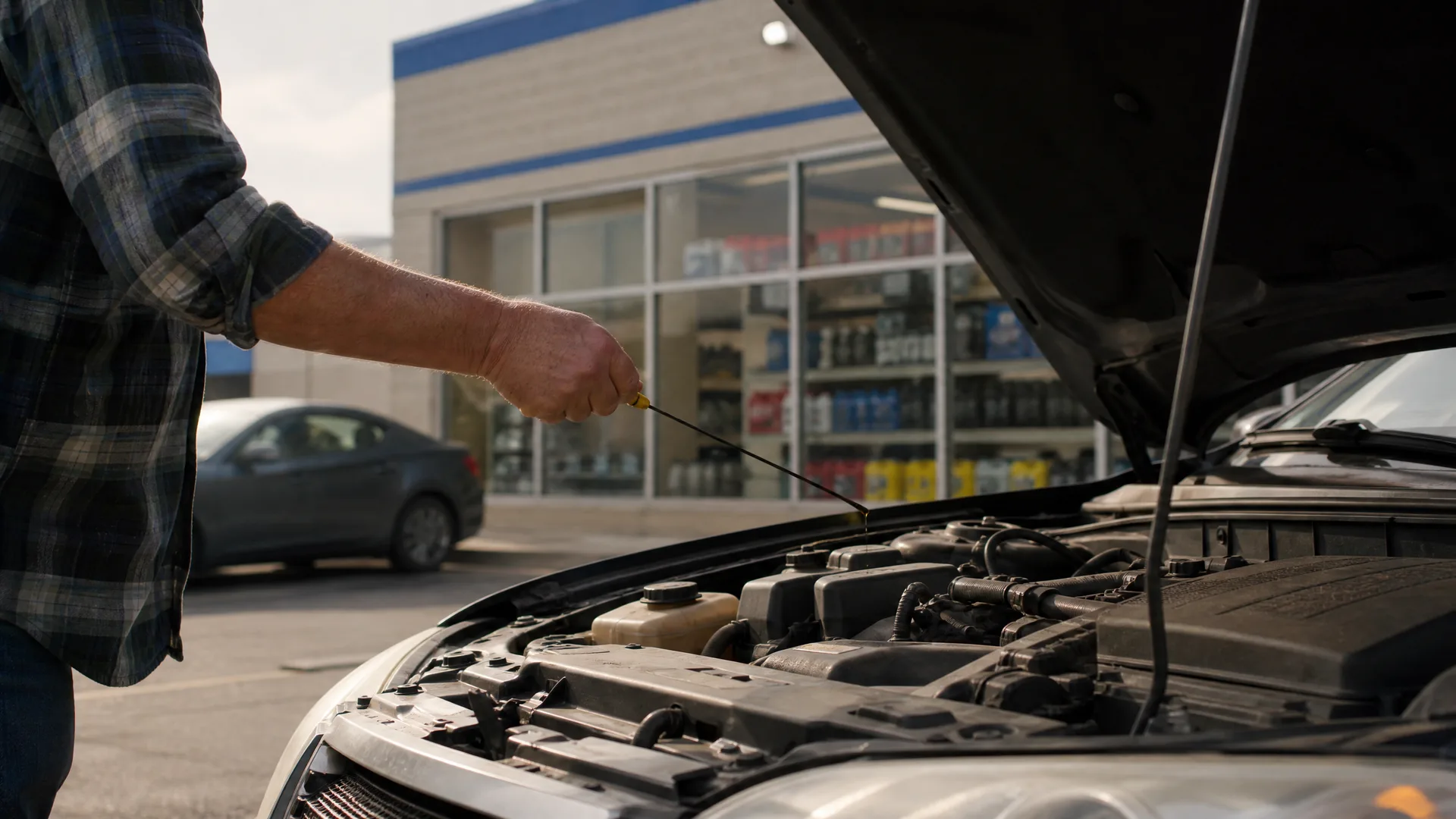
Your car matters too. If repair costs for your make and model went up, or if your insurer updated its data on how that vehicle performs in claims, that alone can raise your rate with no change in your driving at all.
Where you live and park the car plays a role as well. Insurers adjust rates by zip code based on local claims, theft, and weather, and these adjustments happen independently of anything you did.
The most common mistake is assuming the increase must be about getting older, when often it's one or two of these other factors doing most of the work. Ask your insurer for the specific reasons behind the increase. Most will tell you if you ask.
Questions people ask about this
Can I negotiate my insurance renewal price?
You can ask, though the insurer decides whether to adjust it. Call and ask what drove the increase and whether any discounts apply that aren't currently on your policy, such as a completed driving course or a lower annual mileage. If they won't move, that's useful information for comparing other insurers.
Why did my insurance go up with no accidents or tickets?
This usually means the increase is coming from something outside your own record, like your age bracket, your zip code, or rising claims costs across your insurer's whole book of business. Ask your insurer directly what changed, since they're required to have a reason even if it isn't about you personally.
Does switching insurers reset my renewal increase?
Switching insurers means a new insurer prices you fresh, using their own data and formulas, so it can come out lower or higher than staying put. It won't erase a true rating factor like your age or your driving record, but a different insurer may weigh those factors differently.
Will my rate keep going up every year as I get older?
Not necessarily, since age is one factor among several and its effect varies by insurer and state. Some insurers increase rates steadily through certain age bands, others level off, and some even offer senior discounts. Ask your insurer how they treat age going forward so you know what to expect.
Should I drop coverage to lower my renewal cost?
Reducing coverage will lower your premium, but it also lowers what the policy pays out if something happens. Before changing coverage, ask your insurer to walk through what each piece actually covers, and consider whether raising your deductible instead might get you a similar savings with less risk.
See what other insurers would charge you for the same coverage before you accept this renewal.
Get your renewal notice out and call your insurer this week to ask exactly what changed since last year, your age bracket, your zip code, a claim, or something else. Ask whether any discounts you qualify for are missing, including ones for a driving course or low mileage. If you took a course recently, confirm the certificate is actually on file with them. Once you have those answers, get a few quotes from other insurers for the same coverage limits so you're comparing like for like. If another insurer prices your situation lower, that tells you something your current insurer may be willing to match.