What to Ask When Buying Car Insurance
The right questions are about your discounts, your coverage limits, and what your own driving record qualifies you for, not just the price quoted.
Ask about discounts, coverage limits, and your record
Before you buy, ask the insurer three things. What discounts do you offer for my situation, and what do I need to send you to get them. What do these coverage limits actually pay for if I'm in an accident. And has my driving record been pulled correctly, because a mistake there can raise what you pay without you knowing why.
These three cover most of what changes the price and the value of a policy. Discounts often require a document or a form the insurer won't chase you for. Coverage limits sound similar across companies but pay out very differently. And a record error is common enough that it's worth asking about directly rather than assuming the quote is based on accurate information.

Your driving record is the starting point
Everything else in the conversation sits on top of what the insurer has on file about you. Ask them to tell you what record they pulled and what it shows, not just what premium it produced. If something looks wrong, a ticket that's aged off, an accident that wasn't yours, say so before you buy, not after.
Ask how long each item on your record affects your rate. Insurers vary in how far back they look and how heavily they weight an older incident. If you're close to the point where something should no longer count, it's worth asking directly whether it still does.
Ask what happens to your rate if something changes, a move, a new car, a change in how much you drive. A policy that looks good today can shift at renewal for reasons that have nothing to do with a claim.
What the coverage limits actually mean for you
Ask the insurer to explain, in plain terms, what each limit pays for. Liability limits, collision, comprehensive, and anything for medical costs or an uninsured driver all work differently, and two policies with similar prices can leave you with very different exposure if something happens.
Ask what your state requires as a minimum and whether that minimum would actually cover a serious accident. Most state minimums are set low enough that a single bad accident can cost more than the policy pays, leaving you responsible for the rest.
Ask about any discount tied to things you've already done, a defensive driving course, a low-mileage habit, a car with certain safety features. These often aren't applied automatically. You usually have to ask and then send proof.
Questions people ask about this
Should I ask about accident forgiveness?
It's worth asking whether the insurer offers it and what qualifies you for it, since it isn't standard on every policy. Ask specifically whether it applies to any accident or only certain ones, and whether it's something you earn over time or pay extra for.
What should I ask about bundling home and auto insurance?
Ask whether bundling actually lowers your combined cost or just looks that way on paper. Sometimes each policy separately would cost less than the bundled price suggests, so ask for both quotes side by side before deciding.
Should I ask how my car affects my insurance cost?
Yes, because the make, model, and age of your car all factor into the price separately from your driving record. Ask the insurer what about your specific car affects the quote, since repair costs and safety ratings both play a role.
What should I ask if I don't drive very much anymore?
Ask whether the insurer offers a low-mileage or usage-based discount and how they verify your mileage. Some require a tracking device or app, others just ask you to report an estimate, so ask which method they use before agreeing to it.
Should I ask about dropping coverage I don't need anymore?
It's reasonable to ask which coverages make sense given your car's age and value, since full coverage on an older car sometimes costs more than it would pay out. Ask the insurer to walk through what each coverage would and wouldn't pay for in your situation before you decide to drop anything.
Compare how different insurers answer these same questions before you commit to one.
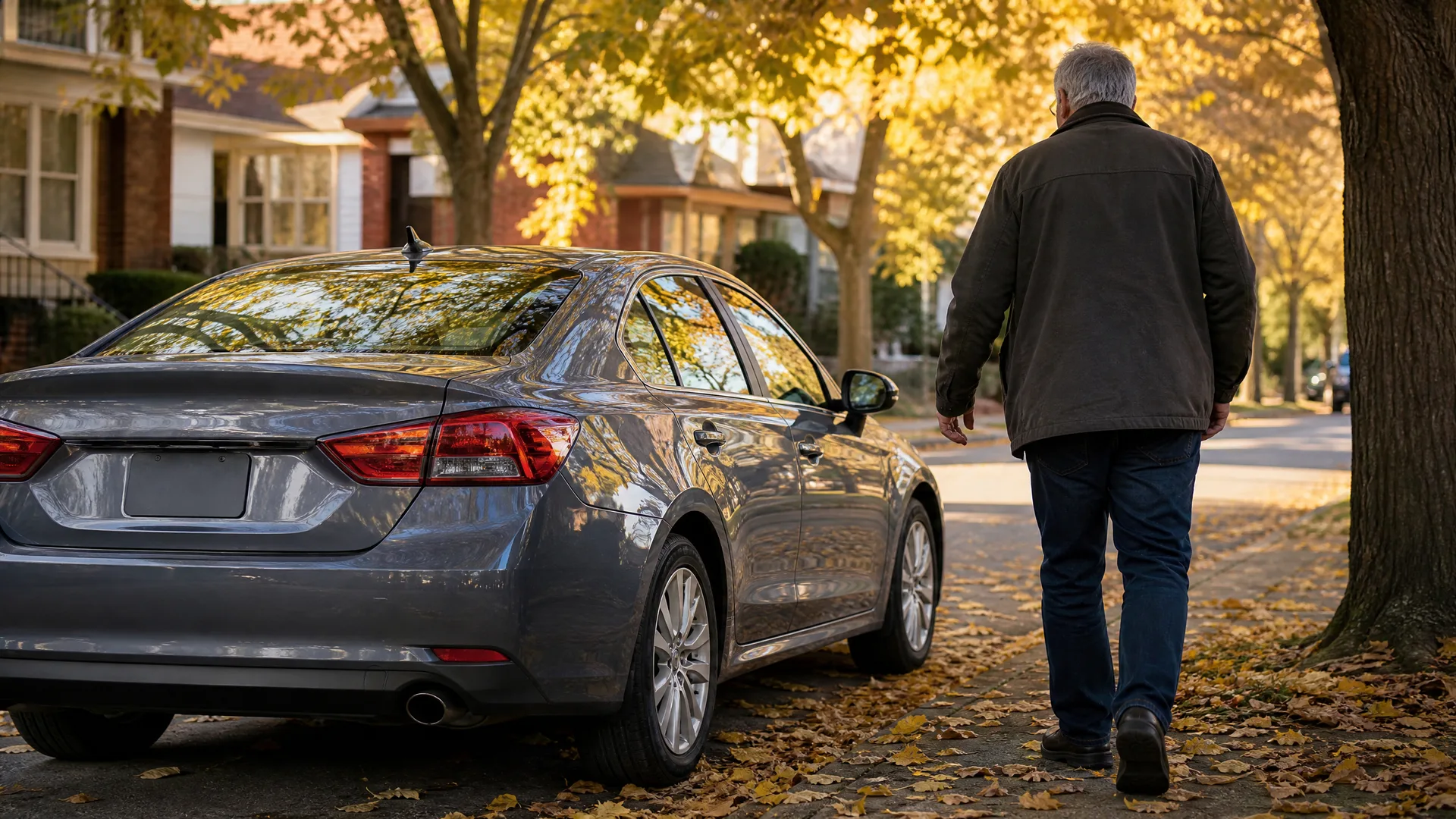
Write down your current driving record as you understand it, including any tickets or accidents and their dates, before you call anyone. Have your car's make, model, and year on hand, along with a rough estimate of how much you drive in a year. When you talk to an insurer, ask directly about discounts, what your coverage limits would pay for in a real accident, and whether your record was pulled correctly. If something they tell you doesn't match what you expected, ask them to explain the difference rather than assuming the quote is right. Get these answers from more than one insurer before you choose, since the same questions can get different answers depending on the company.