Switching Car Insurance as a Senior in New Mexico
You can switch at any point, and for most senior drivers in New Mexico it's worth checking what a new insurer would charge before the next renewal arrives.
Yes, you can switch anytime
There's no rule in New Mexico or anywhere else that locks you into an insurer. You can switch the day your renewal notice arrives, or any day before that, as long as you don't let your current policy lapse before the new one starts.
For a driver who's held the same policy for years, switching usually comes down to two things. One is whether your current insurer still prices you fairly now that you're older and your driving record has changed. The other is whether a new insurer will actually honor the discounts you've earned, like a mature driver course or a long record without claims. Neither is guaranteed. Both are worth checking before you decide.

What your current insurer already knows about you
Your current insurer has years of history on you. If you've had no claims, if you've completed a mature driver course, or if you've cut back on how much you drive, some of that may already be reflected in your rate, or it may not be. Insurers don't all update pricing the same way, and some only apply certain discounts when you ask.
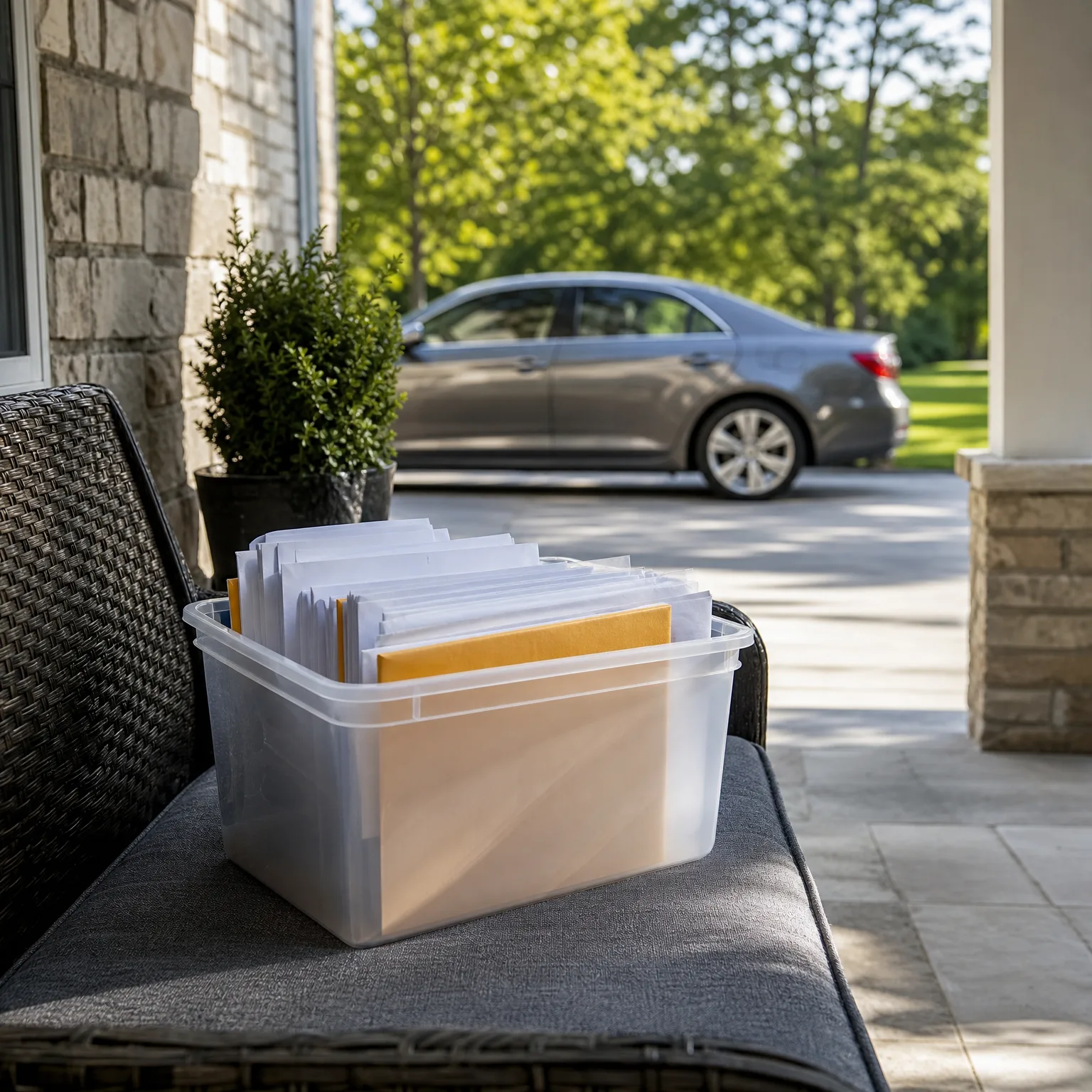
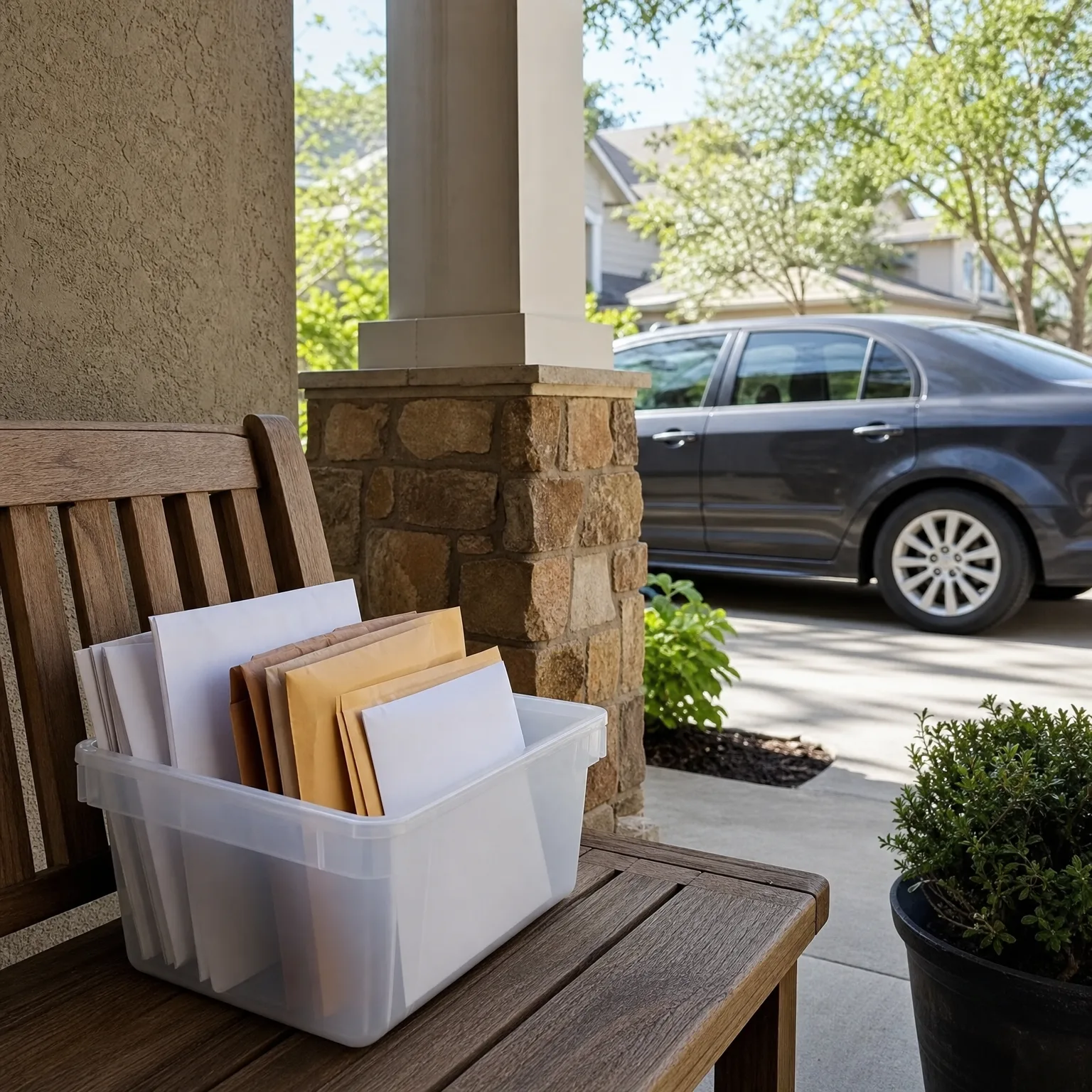
A new insurer starts without that history. You'll need to tell them about the course certificate, the clean record, the reduced mileage, whatever applies. Have the paperwork ready, including the completion certificate for any driving course and your current policy's declarations page showing your claims history.
It's worth calling your current insurer first and asking directly whether every discount you qualify for is already applied. Sometimes switching isn't necessary. Sometimes the call itself gets your rate corrected.
What a new insurer will want to know
Insurers ask different questions about age and driving. Some ask about vision test results, some ask when you last had a moving violation, some ask about mileage or whether you still commute. New Mexico doesn't set a statewide script for this, it's up to each insurer's underwriting, so the questions and the answer they lead to can vary from one company to the next.
If you've had any changes recently, a new address, a different car, a reduced commute, mention all of it when you get quotes. Leaving something out doesn't help you and can cause problems later if a claim is filed.
If your license has any restrictions, such as daytime only or corrective lenses, a new insurer needs to know that too. It's listed on your license and they may ask to see it.
Questions people ask about this
Will switching insurers affect my no claims discount?
It depends on the insurer, not on your age. Most insurers will recognize a clean claims history from your previous policy, but ask them directly how they verify it and what documentation they need from your old insurer.
Do I need a new driving test to switch insurance in New Mexico?
No. Switching insurance has nothing to do with your license or whether you can drive. Insurers may ask about your vision or your record, but they don't administer driving tests.
Can an insurer drop me for being a certain age?
Insurers price based on risk factors like your driving record and the vehicle you drive, not on age alone as a reason to deny coverage. If you're ever told your age is the only issue, ask the insurer to explain specifically what in your record led to that decision.
What happens to my current policy if I switch mid-term?
You can cancel a policy before its renewal date, and most insurers will refund any unused premium you already paid. Ask your current insurer about their specific cancellation process and whether they charge a fee.
Should I tell my current insurer I'm shopping around?
You don't have to, but it often helps. Some insurers will offer a better rate or point out a discount you're missing once they know you're comparing options, rather than lose you as a customer.
See what a new policy would actually cost before your current one renews.

Pull together your current declarations page, your driving course certificate if you have one, and your license to check for any restrictions listed on it. Call your current insurer and ask whether every discount you qualify for is already applied to your rate. Then get a few quotes and tell each insurer about your course, your record, and anything that's changed, like mileage or address. Compare the total cost and the coverage side by side, not just the premium. If you decide to switch, confirm your new policy's start date before you cancel the old one so there's no gap.