Switching Car Insurance as a Senior in Idaho
You can switch at any point, and for a lot of Idaho seniors, switching turns up a lower rate than staying put.
Switching is allowed, and it often pays off
You can change car insurance companies whenever you want. There's no rule in Idaho that locks you into a policy because of your age, and no penalty from the state for leaving an insurer mid term. Some companies charge a small fee for canceling early, so check your current policy before you give notice.
For a lot of older drivers, switching is worth doing because insurers price risk differently. One company might weigh your clean record and years of experience more than another does. Shopping around is how you find the insurer that values what you bring to the table, rather than staying with one that's quietly raised your rate over time.
Your driving record and any recent changes matter most
Insurers look hard at your recent driving history when you apply, not just your age. A clean record over the past few years counts for more with some companies than others, so if yours is clean, that's your strongest card when you shop.
If you've had a recent change, a ticket, a claim, a medical condition that affects a license renewal, tell the new insurer upfront. They'll find it anyway through the records they pull, and starting with accurate information means the quote you get is one you can actually keep.
Some insurers also ask about mileage. If you're driving less than you used to, say so. Lower mileage can work in your favor, but only if the insurer knows about it.
If Idaho requires anything specific at your next license renewal, like a vision test, that's worth confirming with the DMV directly. It doesn't affect your insurance switch, but it's useful to have sorted before either renewal date arrives.
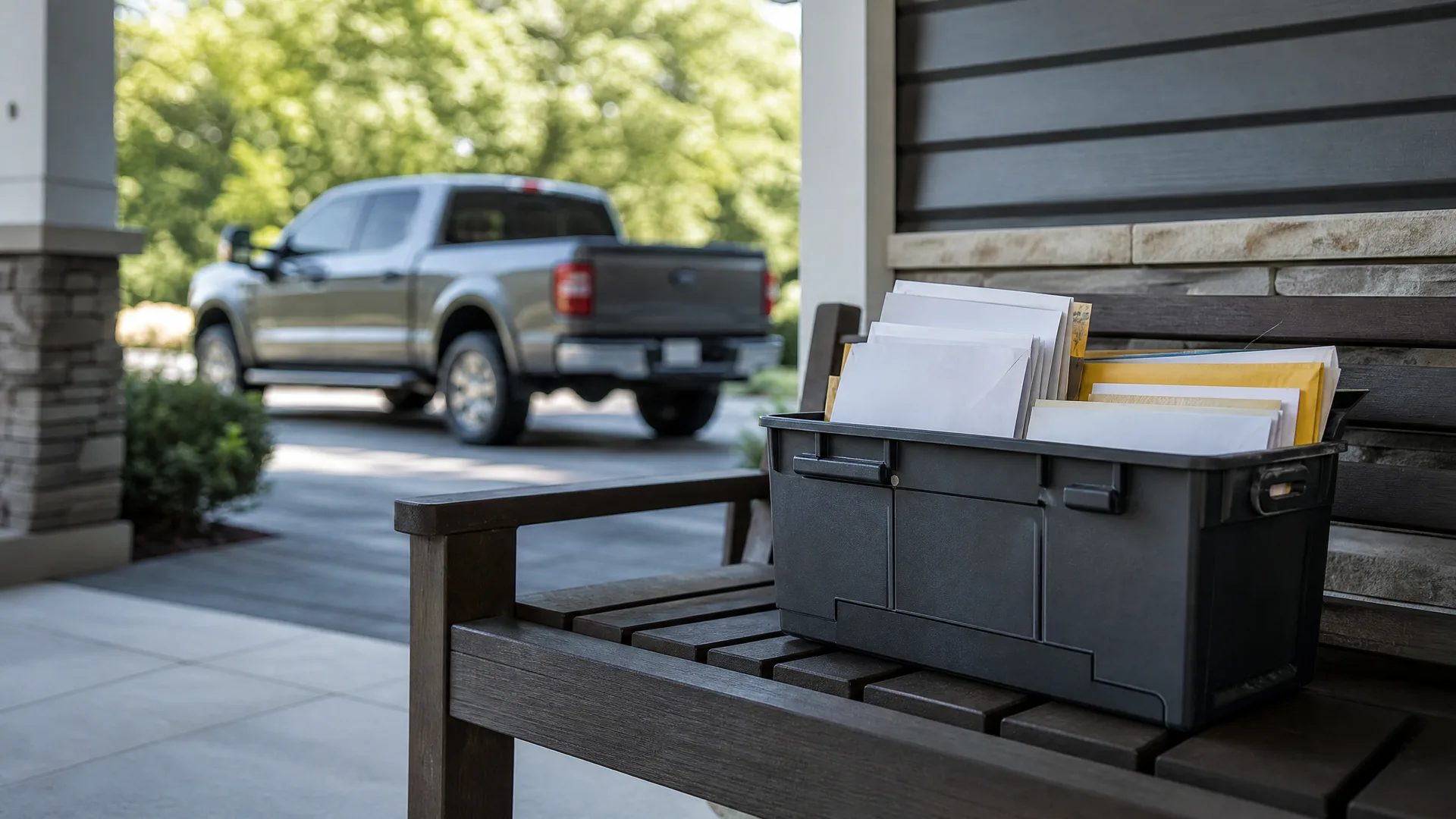
Discounts don't transfer, you have to ask for them again
Any discount you had with your old insurer, for a defensive driving course, for bundling, for being claim free, does not carry over automatically. The new insurer has to know about it and often needs proof.
If you've completed a driver safety course, have the certificate ready when you request quotes. Ask directly whether that insurer gives a discount for it and what they need to see.
The same goes for bundling home and auto, or insuring more than one car. These discounts vary by company, so what your old insurer gave you isn't a guarantee of what a new one will. Ask each insurer directly what you qualify for rather than assuming the same discounts apply.
Write down what you're currently getting discounted for before you cancel anything. That list becomes your checklist when you compare new quotes, so you don't lose value you didn't know you had.
Questions people ask about this
Will my new insurer cancel my old policy for me?
No, canceling your old policy is your responsibility, not the new insurer's. Set your new policy's start date first, then call your old insurer to cancel so there's no gap in coverage. Ask for written confirmation of the cancellation date.
Does switching insurers reset my claims free discount?
It depends on the insurer, so ask directly before you switch. Some companies verify your claims history through shared records and preserve a claims free discount, others only count time with them. Get this answer in writing or in the quote details before you cancel your old policy.
Can an insurer drop me for being older?
An insurer can choose not to renew a policy for various reasons, but age alone is not typically one insurers rely on, since driving record and claims history matter more to how they price risk. If you're ever non-renewed, ask the insurer directly for the reason, since Idaho may require them to state it in writing.
Should I tell my new insurer about a health condition that affects my driving?
Be upfront about anything that could affect your license, since insurers can find out through DMV or medical reporting in some cases. Giving accurate information upfront protects you from a denied claim later. If you're unsure what needs to be disclosed, ask the insurer directly what their application requires.
Does my car's age or type affect switching insurers as a senior?
Yes, the car matters to every insurer regardless of the driver's age. An older car may cost less to insure for collision and comprehensive coverage, while a newer car with safety features might qualify for its own discounts. Mention your car's safety features when you get quotes, since not every insurer asks.
See what other insurers would charge you before you decide to stay or go.
Pull out your current policy and write down every discount you're getting, along with your renewal date. Call your insurer and ask directly what your rate would be without any of those discounts, so you know what you're actually comparing against. Get quotes from a few other companies using the same coverage limits you have now, not the minimum, so the comparison is fair. If you've taken a driver safety course, have the certificate on hand when you request quotes. Once you pick a new policy, set its start date before you cancel the old one, so you're not uninsured for even a day.