Switching Car Insurance as a Senior in California
You can switch at any time, and for a senior in California the savings usually come from discounts the old policy never applied.
Yes, you can switch, and it often pays off
Nothing in California law or in your policy stops you from switching car insurance at any age. If your current renewal went up, that's a reason to look, not a reason to stay put out of loyalty.
What decides whether switching actually saves you money is whether a new insurer prices your age, your driving record, and your car differently than your current one does. Insurers don't all weigh the same things the same way, so the same driver can get a noticeably different quote from one company to the next.
Your driving record and any course certificate
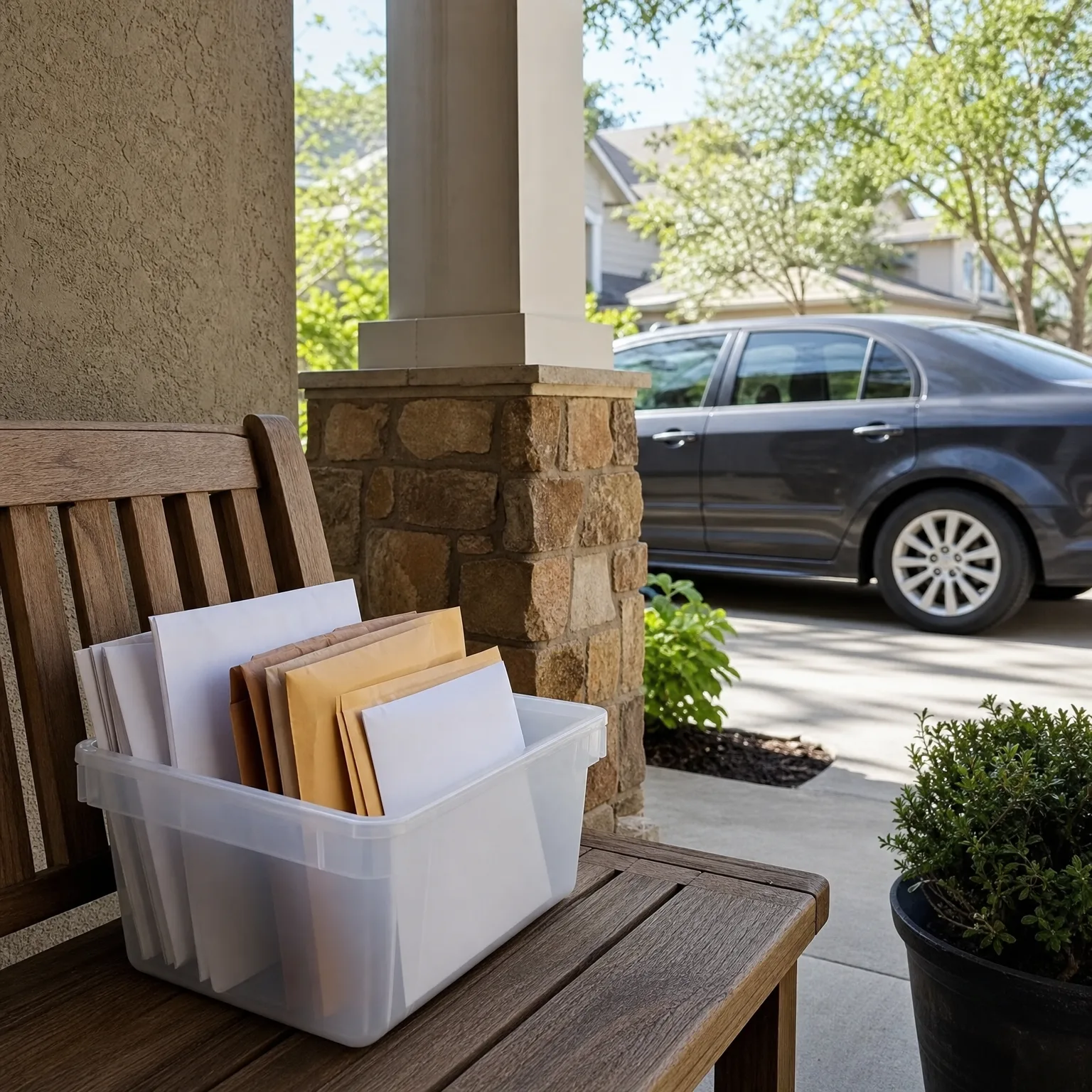
California requires insurers to offer a discount to drivers who complete an approved mature driver improvement course, but you have to ask for it and usually have to send in the certificate yourself. If you took a course years ago and never gave the certificate to your current insurer, that could be part of why your rate feels high.
When you shop a new policy, have that certificate ready, along with your current policy's declarations page showing your driving record. A clean record over the past several years is worth mentioning specifically when you get quotes, since some insurers ask directly and others only apply the credit if you bring it up.
If you've had a recent ticket or claim, expect that to weigh more heavily than your age does. Ask any insurer you're considering how they look at your specific record before you commit, since one company might weigh an old claim differently than another.
What your car costs to insure now
As a car ages, the collision and comprehensive portion of your premium usually matters less, and liability coverage becomes a bigger share of the bill. If you're driving less than you used to, that's worth mentioning too, since some insurers offer a lower rate for lower annual mileage, and this is easy to overlook if your current insurer never asked.
It's also worth checking whether you still need the same coverage limits you've carried for years. Your agent or a new insurer can walk through this with you, but the decision about what limits make sense for you is yours to make, not something to leave on autopilot from a policy you set up long ago.
If you're on a fixed income, ask each insurer about payment plans and any discount for paying in full, since those vary by company and can affect what you actually pay each month even when the yearly total is similar.
Questions people ask about this
Will my new insurer find out about my old policy's claims history?
Yes, insurers pull a report on your claims history as part of underwriting, so there's no benefit to leaving something out. Be upfront about any claims or tickets when you get quotes, since an accurate quote now is better than a surprise rate increase after the policy is in place.
Can I switch car insurance mid-policy without a penalty?
In most cases you can cancel a policy before its term ends, though some insurers charge a short rate fee or prorate a refund differently depending on how you cancel. Ask your current insurer directly what happens if you cancel today, since the answer depends on your specific policy.
Does my age ever make it harder to get a new policy?
Age alone doesn't disqualify a driver, but some insurers ask more questions or request a medical or vision form once a driver reaches a certain age, and this varies by company. If an insurer asks for additional information, that's a normal part of their underwriting and not a sign you can't be insured.
What happens to my old policy if I don't cancel it myself?
Most policies don't cancel automatically just because you bought a new one elsewhere, so you need to contact your current insurer and cancel in writing or by phone. Until you do that, you may be paying for two policies at once, so line up the start date of the new policy before you cancel the old one.
Should I tell my current insurer I'm shopping around?
You don't have to, but some insurers will offer a lower rate or an overlooked discount if you call and ask about your options before you leave. It costs nothing to ask your current insurer directly what they can do, since you may find the better deal is with them after all.
See what a few other insurers would actually charge you before you renew.
Pull your current policy's declarations page and any course completion certificate before you start. Call your current insurer first and ask directly what discounts you qualify for, since the mature driver course credit and any mileage discount often aren't applied automatically. Then get quotes from a few other companies using the same coverage limits so you're comparing like for like. Ask each one how they treat your driving record and your course certificate specifically. Once you pick a new policy, set its start date before you cancel the old one, so there's no gap in coverage.