How Your Car Model Affects Car Insurance
Insurers price your car by what it costs to repair, replace, or steal, not by how safely you drive it.
Yes, the car itself changes your rate
Two drivers with the same age, same record, and same address can pay different amounts because they drive different cars. The insurer looks at what your specific car costs to fix after a crash, what it costs to replace if it's totaled, how often that model gets stolen, and how it performs in crash tests.
This matters more as you get older because you may be shopping for a new car around the same time you're comparing insurance, maybe downsizing or buying something easier to get in and out of. The car you pick changes the quote before anything about your driving history even comes into it.

Repair and replacement cost drive most of the difference
A car with expensive parts or specialized labor costs more to insure, even if it's not a sports car. Some ordinary sedans have body panels or sensors that cost more to replace than a driver would expect, especially newer models with cameras and parking sensors built into the bumpers.
The flip side also holds. A car with cheap, widely available parts and simple mechanics tends to cost less to insure for the same coverage, because the insurer's own payout risk is lower.
If you're deciding between two cars, ask the dealer or look up what each one is rated for insurance cost before you buy. It's easier to factor that into the decision than to be surprised by it after.
Safety features that lower the chance of a claim, like automatic braking, can lower your rate too. But a feature that's expensive to repair if it breaks can cancel out that benefit. It depends on the specific car and the specific insurer's pricing.
How the car is used and where it's kept also counts
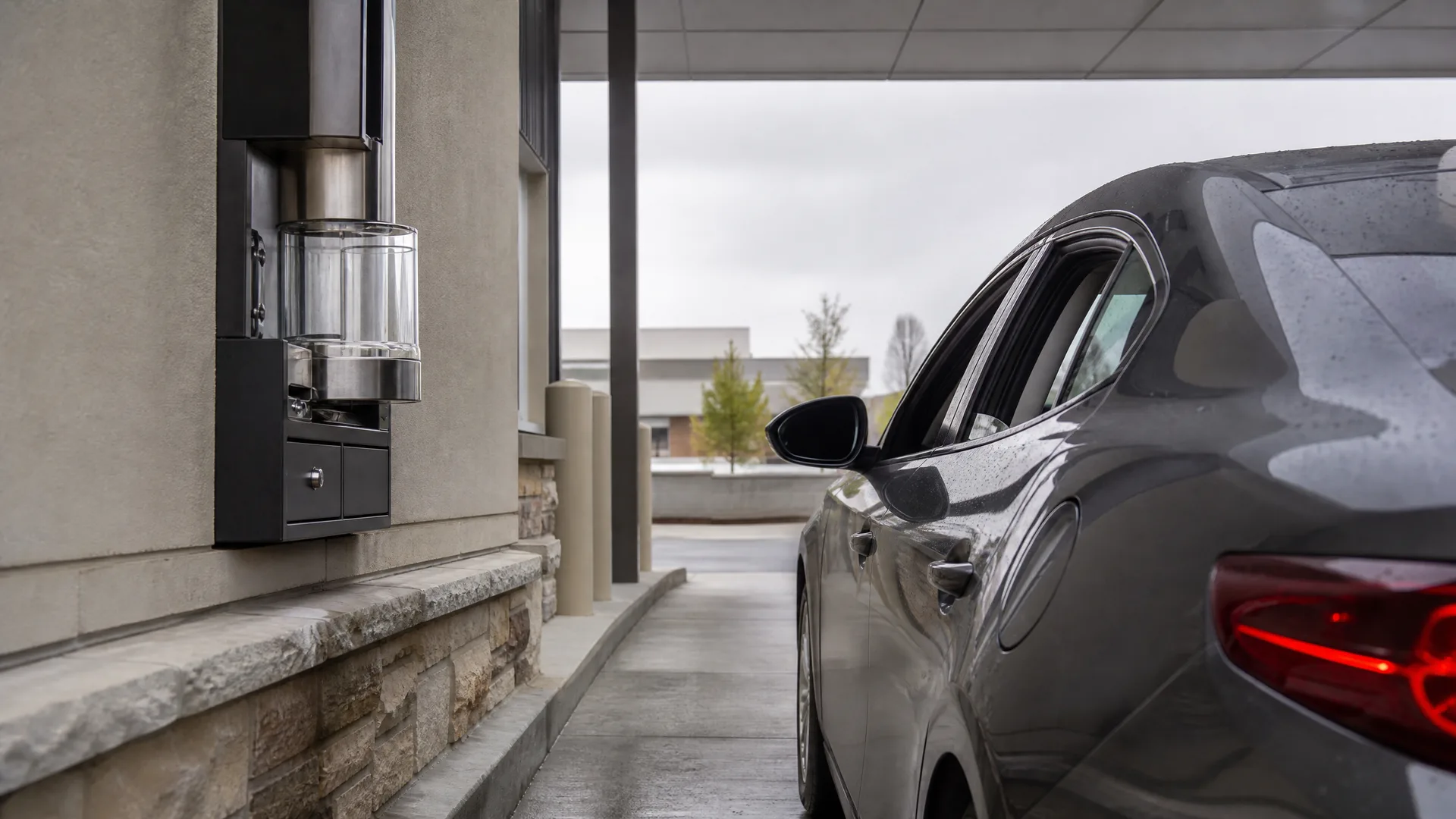
Insurers ask how many miles you drive a year and where the car is parked overnight. A car that sits in a garage is less exposed to weather and theft than one parked on the street, and that can affect the price for the same model.
If you've cut back on driving, your insurer may not know that unless you tell them. Mileage is something you report, not something they guess at, so it's worth checking whether your policy reflects how much you actually drive now.
What the car is used for matters too. A second car that mostly sits unused, or one used only for short local trips, is a different risk than a primary car driven daily on the highway. Ask your insurer whether that distinction changes your premium, because it varies by insurer.
Questions people ask about this
Does an older car cost less to insure than a new one?
Often, but not always. An older car usually has a lower replacement value, which can lower the cost of comprehensive and collision coverage. But if parts for that model are hard to find or the car lacks modern safety features, the savings can be smaller than expected. Ask your insurer for a quote on the specific car rather than assuming age alone settles it.
Should I drop collision coverage on an old car?
That depends on what the car is worth and what you could afford to replace it with out of pocket. If the payout in a total loss would be small, the coverage may not be worth its cost. Ask your insurer what your car's estimated value is and compare that to what you're paying for the coverage.
Does the color of my car affect my insurance?
No. Insurers price based on the make, model, trim, and safety record of the car, not its color. What does affect the price is the specific trim level, since a higher trim often has more expensive features to repair or replace.
Will switching to a smaller car lower my premium?
It can, but not automatically. A smaller car with a strong safety rating and cheap parts usually costs less to insure. A smaller car that's underpowered or lacks safety features can sometimes cost about the same as a larger, better-equipped one. Compare actual quotes on the models you're considering rather than assuming size decides it.
Does my car's safety rating affect my rate?
Yes, generally. Cars with strong crash test ratings and features like automatic braking tend to see fewer or less severe claims, and insurers factor that in. How much it affects your specific rate depends on the insurer, so it's worth asking when you compare quotes.
See how your specific car changes what you'd pay before you decide what to drive next.
Before you renew or switch insurers, look up your car's insurance cost rating by its exact make, model, and trim, since even one trim level up or down can change the price. If you're considering a new car, ask the dealer or check this before you sign anything, not after. Gather your current policy details, your annual mileage, and where the car is parked overnight, since all three affect the quote. Then get quotes on the specific car you have or are considering, rather than relying on what a similar car cost someone else to insure.