How to Shop Around for Car Insurance at Renewal
The best time to shop around is a few weeks before your renewal date, while you still have your current policy as a fallback.
Start before your renewal date, not after it
Shopping around means getting quotes from other insurers and comparing them against what your current insurer is about to charge you, then deciding whether to switch or stay. Do this before your renewal date so you have time to act on what you find.
Your current insurer sets your new premium based on the last term, your claims history, and whatever has changed about you or your car. They don't automatically give you the best price they could offer. Other insurers price the same risk differently, so the only way to know if you're paying more than you need to is to ask a few of them directly.

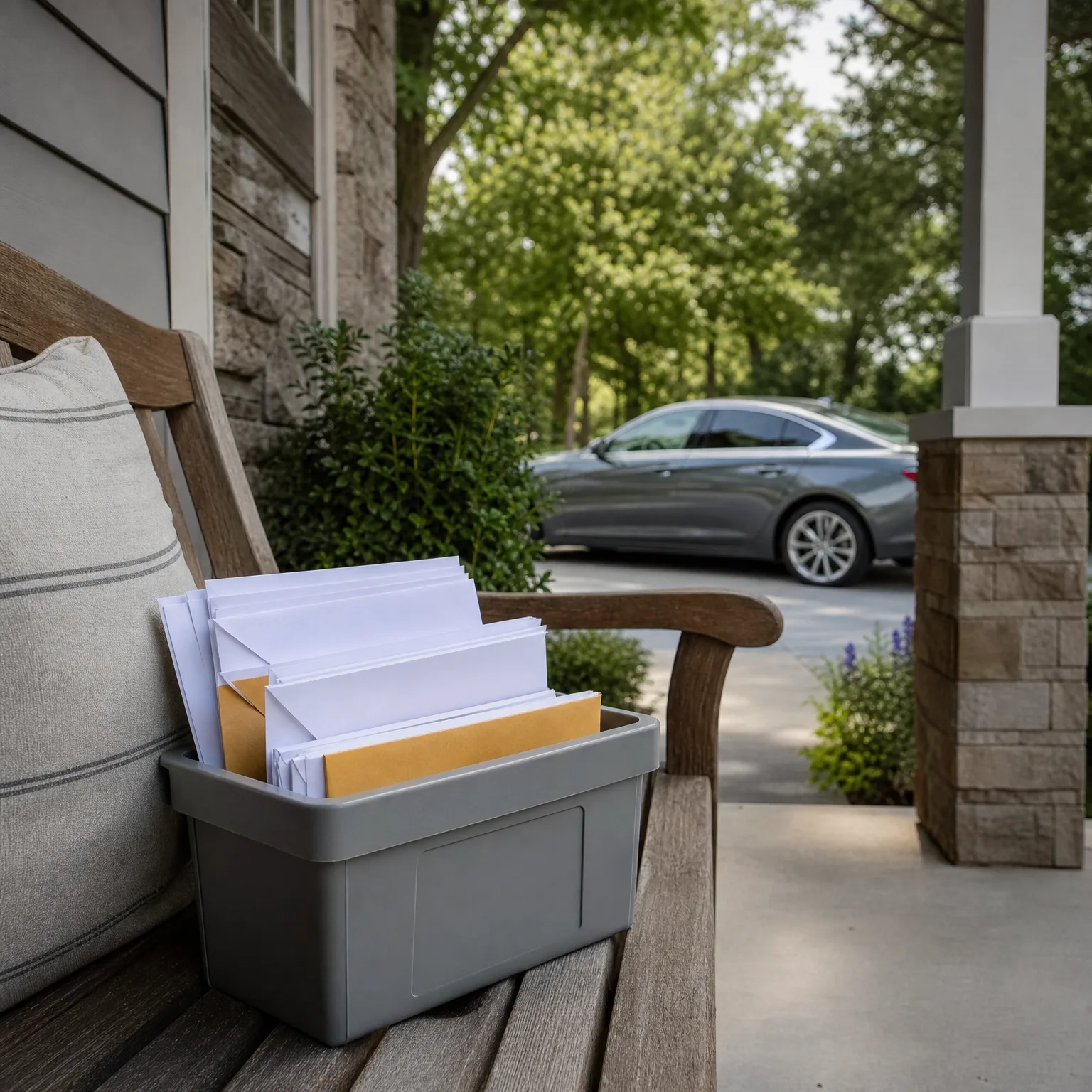
Your renewal notice tells you what to compare against
When the renewal notice arrives, it has your new premium, your coverage limits, and your deductible. Read it before you do anything else. That's the number every other quote needs to beat, and those are the limits every other quote needs to match, or you're not comparing the same thing.
If the premium went up, ask your insurer why. Sometimes it's a change in your record. Sometimes it's a rate change across the board that has nothing to do with you. Either way, you want that answer before you start calling around, because it tells you whether the increase is something another insurer would see too.
Keep a copy of the notice open while you get quotes. Match the liability limits, the deductible, and any extra coverage you have now, like roadside assistance or rental reimbursement. A quote that leaves those out will look cheaper than it is.
If you find a better price, you can switch before the renewal date and avoid paying for even one day at the higher rate. If you switch after, you may have already been charged for part of the new term.

What's changed about you and your car since the last quote
Insurers reprice you based on what's different now, not just what's different about the market. If you've moved, changed how much you drive, added or removed a car, or gone a year without a claim, those all affect what you're quoted. Mention all of it when you shop around, because leaving something out can mean the quote you get isn't the price you'd actually be charged.
Your driving record matters more at renewal than it did when you first signed up, since the insurer has had years to watch it. A clean record since your last renewal is worth asking about directly. Some insurers lower rates for it automatically. Others only do it if you ask.
If you've taken a defensive driving course or installed safety equipment in your car, tell every insurer you get a quote from, not just your current one. A discount with one company doesn't carry over to another unless you tell them about it yourself.
The car itself matters too. If it's older now than when you first insured it, or worth less, ask whether you still need the same level of comprehensive or collision coverage. That's a question for your current insurer as well as any new one.
Questions people ask about this
How many quotes should I get before my renewal?
There's no fixed number, but three or four gives you a real sense of the range. Fewer than that and you might miss a better price. More than that rarely changes the outcome, since most insurers in your area will land in a similar range unless one of them specializes in your situation, like your age or your type of car.
Will shopping around hurt my credit or my current policy?
Getting quotes doesn't cancel your current policy or change your coverage. Most insurers use a soft inquiry for quotes, which doesn't affect your credit score, but ask each one directly if you're not sure how they check your record.
Can I switch insurers in the middle of my policy term?
Usually yes, but ask your current insurer about cancellation terms before you do. Some charge a fee for ending the policy early, or prorate your refund differently depending on how you cancel. That's worth knowing before you commit to a new policy.
Do I have to wait for my renewal notice to start shopping around?
No. You can get quotes any time, and many insurers will tell you what they'd charge starting on your next renewal date even before your current insurer sends the notice. Starting early just gives you more time to compare and decide.
What should I tell a new insurer that my current one already knows?
Tell them everything that's on your current policy and anything that's changed since you got it, including your driving record, mileage, address, and any safety courses or equipment. A new insurer starts with no history on you, so the quote is only as accurate as what you give them.
See what other insurers would charge for the same coverage you have now.
Pull out your renewal notice and write down your current premium, your deductible, and your coverage limits. Call your insurer and ask why the price changed, if it did. Then get quotes from three or four other insurers using those same limits, and mention anything that's changed since you last renewed, like your mileage, your address, or a completed driving course. Compare the new quotes against your renewal notice, not against what you paid last year. If something's cheaper and matches your coverage, you can switch before your renewal date to avoid any overlap in what you're charged.