How Far in Advance Can I Get Car Insurance
Most insurers will sell you a policy today and let you pick a start date days or weeks out, so timing comes down to when you want coverage to begin, not how soon you can buy it.
You can buy a policy now and start it later
Car insurance doesn't work like a reservation that has to be made at the last minute. Once you apply and the insurer accepts you, you choose the date coverage begins. For most people that can be the same day, a few days out, or set to match something specific, like a new car's delivery date or the day an old policy ends.
The only real limit is that the insurer needs current, accurate information about you and the car at the time the policy starts. If something changes between when you apply and your start date, like your address or the car you're insuring, tell them before the policy takes effect.
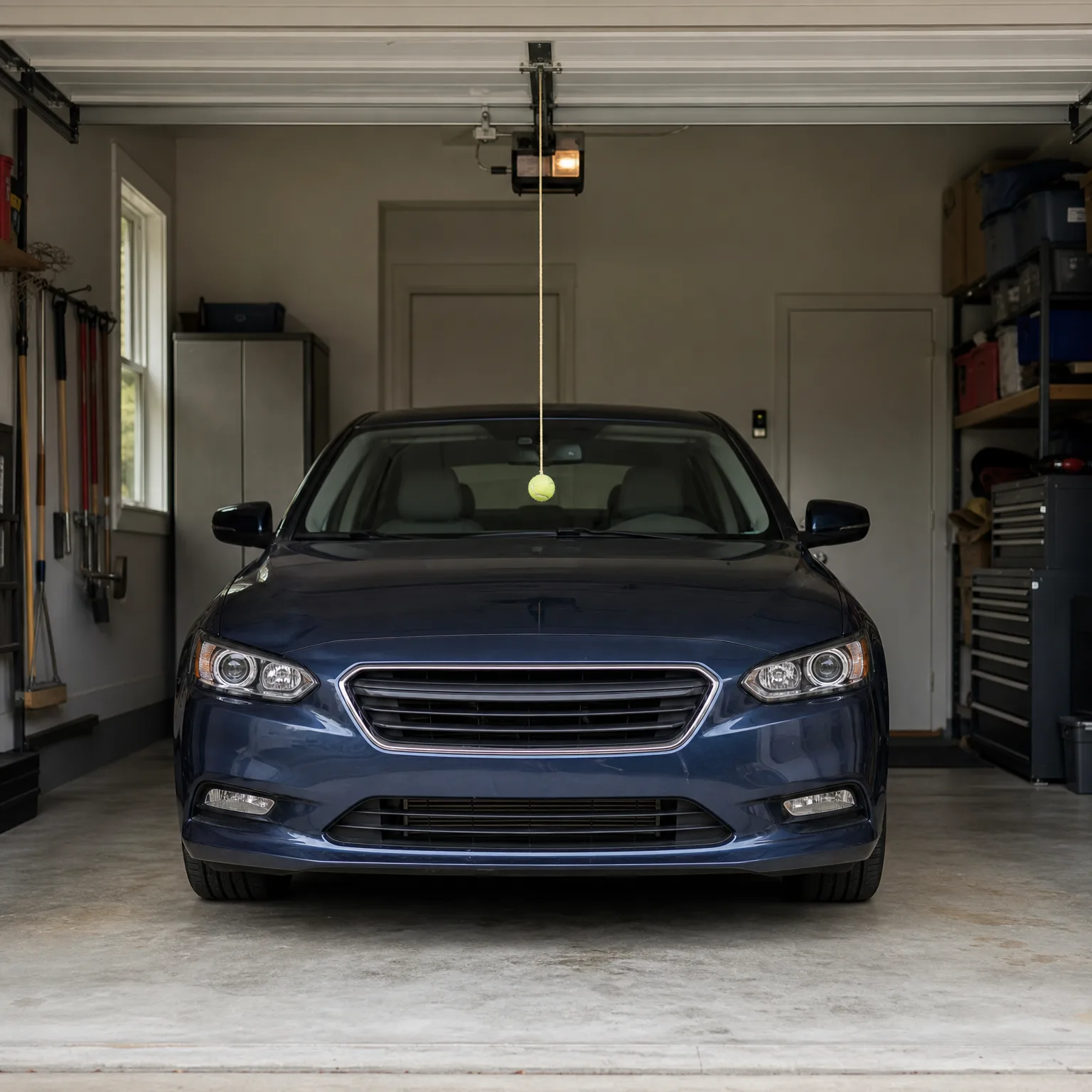
What you're timing it around matters most
If you're replacing a policy that's about to lapse, the goal is to have the new policy start the day the old one ends, with no gap in between. Insurers can see lapses in your record, and even a short one can make your next renewal cost more or make some insurers unwilling to offer you their best terms. Lining up the dates exactly avoids that.
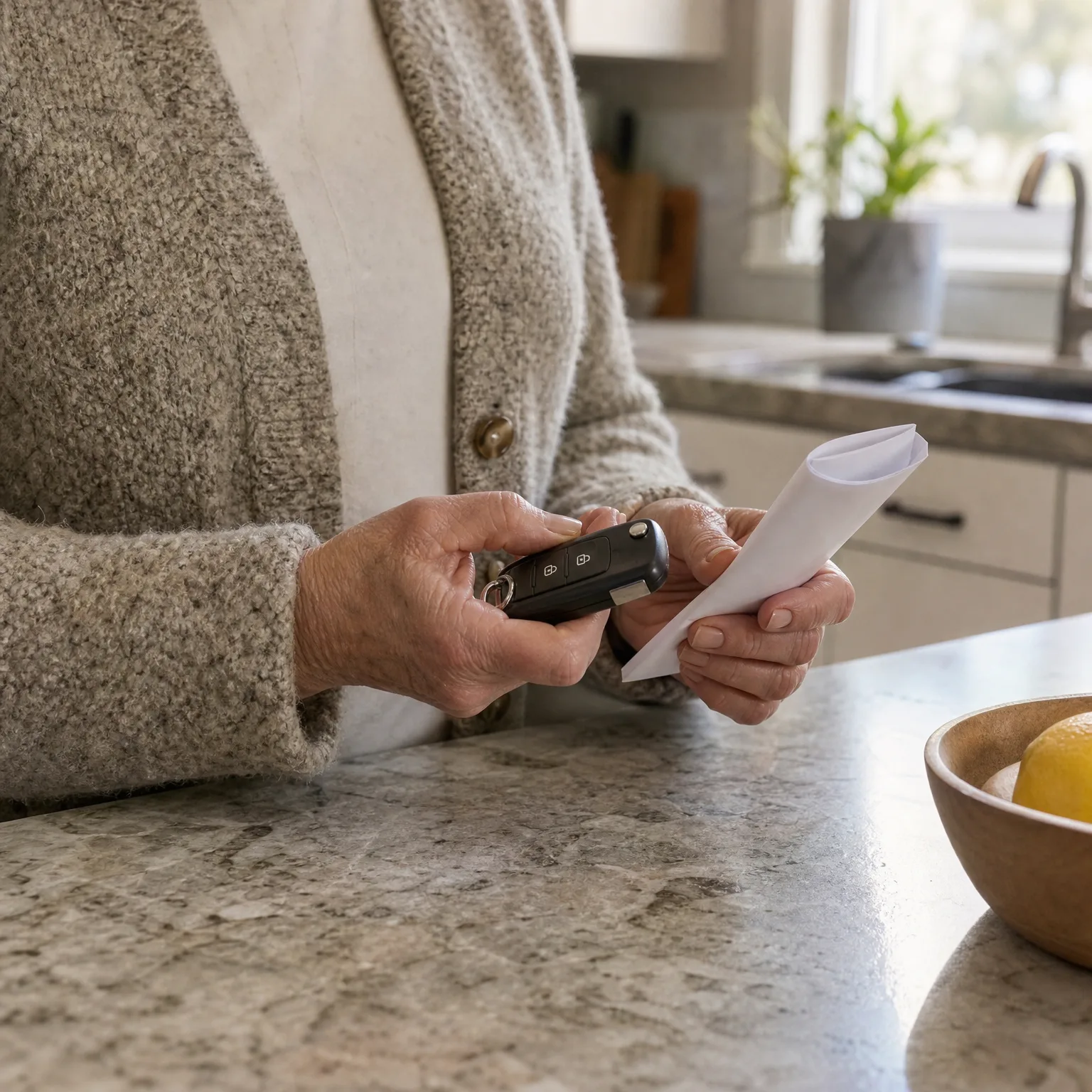
If you're insuring a car you haven't picked up yet, from a dealer or a private seller, you can usually set the start date to match the day you expect to take possession. Dealers often want proof of insurance before they'll hand over the keys, so applying a few days ahead gives you something to show them without paying for coverage on a car you don't have yet.
If you're insuring yourself for the first time, maybe after letting a license lapse or moving from a parent's policy to your own, there's less to coordinate. You can apply whenever you're ready and set the start date for whenever you plan to drive.
In any of these cases, tell the insurer what you're trying to line up. They can usually set the date for you once they know the reason.

What people get wrong about applying early
Applying early doesn't lock in a price. Car insurance quotes are based on the information you give at the time, and most insurers will requote you if your start date is far enough out that something could change, like your age, your address, or the car. If you apply months ahead of when you actually need coverage, don't assume the number you're quoted today is the number you'll pay when the policy starts.
Applying early also doesn't mean you're covered early. Coverage begins on the date you and the insurer agree to, not the date you signed up. If you get into an accident before that start date, the policy won't help you, even if you've already paid for it.
A practical rule most people use is to apply once they know the exact date they need coverage to begin, rather than applying as far ahead as possible. That way the quote you get is closer to the one you'll actually pay, and there's no confusion about when protection actually starts.
Questions people ask about this
Can I get car insurance without a car?
Yes, some insurers offer a policy for someone who doesn't own a car yet but needs proof of insurance or wants to keep continuous coverage. This is sometimes called a non-owner policy. Not every insurer offers it, so ask directly if this is your situation.
How soon before my old policy ends should I shop for a new one?
Most people start comparing quotes a few weeks before their renewal or expiration date. That gives enough time to get quotes, review the terms, and set the new policy to start exactly when the old one ends, so there's no gap in coverage.
Does my insurance start the moment I pay?
Not necessarily. Payment and coverage start date are separate things. You can pay for a policy today and have it set to begin on a later date you chose when you applied. Check your paperwork for the actual effective date, not just the date you paid.
What happens if I need coverage sooner than my policy start date?
Contact the insurer directly and ask if they can move the effective date earlier. Many can adjust it if you ask before the original start date arrives, though this depends on the insurer's own process.
Will a gap in coverage affect my rate even if it was only a few days?
It can, because insurers generally see any lapse in your coverage history, not just long ones. How much it affects your rate depends on the insurer, so if you're worried about a short gap, ask them directly how they treat it before you let one happen.
If you know when you need coverage to start, compare quotes now so you have options ready before that date arrives.
Figure out the exact date you need coverage to begin, whether that's when your current policy ends, when you pick up a new car, or when you start driving on your own. Have your driver's license, vehicle information, and current insurance details, if any, ready when you request quotes. Ask each insurer to set the effective date to match what you need, and get that date in writing before you cancel any existing policy. If you're coordinating with a dealer or a lender, ask them what proof of insurance they require and by when. Apply close enough to your actual start date that the quote you receive is the one you'll likely pay.