Does Switching Car Insurance Save Money
Switching can save you money, but only if your current insurer is actually charging you more than others would for the same coverage.
It depends on what you're paying now
Switching saves money when another insurer will cover you for less than your current one, for the same coverage. That's the whole test. It isn't guaranteed just because you switch, and it isn't rare either. Insurers price the same driver differently, so there's often a gap to find.
For a driver your age, the gap can be bigger than it used to be. Some insurers price older drivers more carefully than others, weighing things like how long you've driven claim-free against how your age group is priced generally. That means two insurers can look at your record and land on very different numbers. The only way to know is to get quotes and compare them against your current renewal.

Your current premium is the baseline
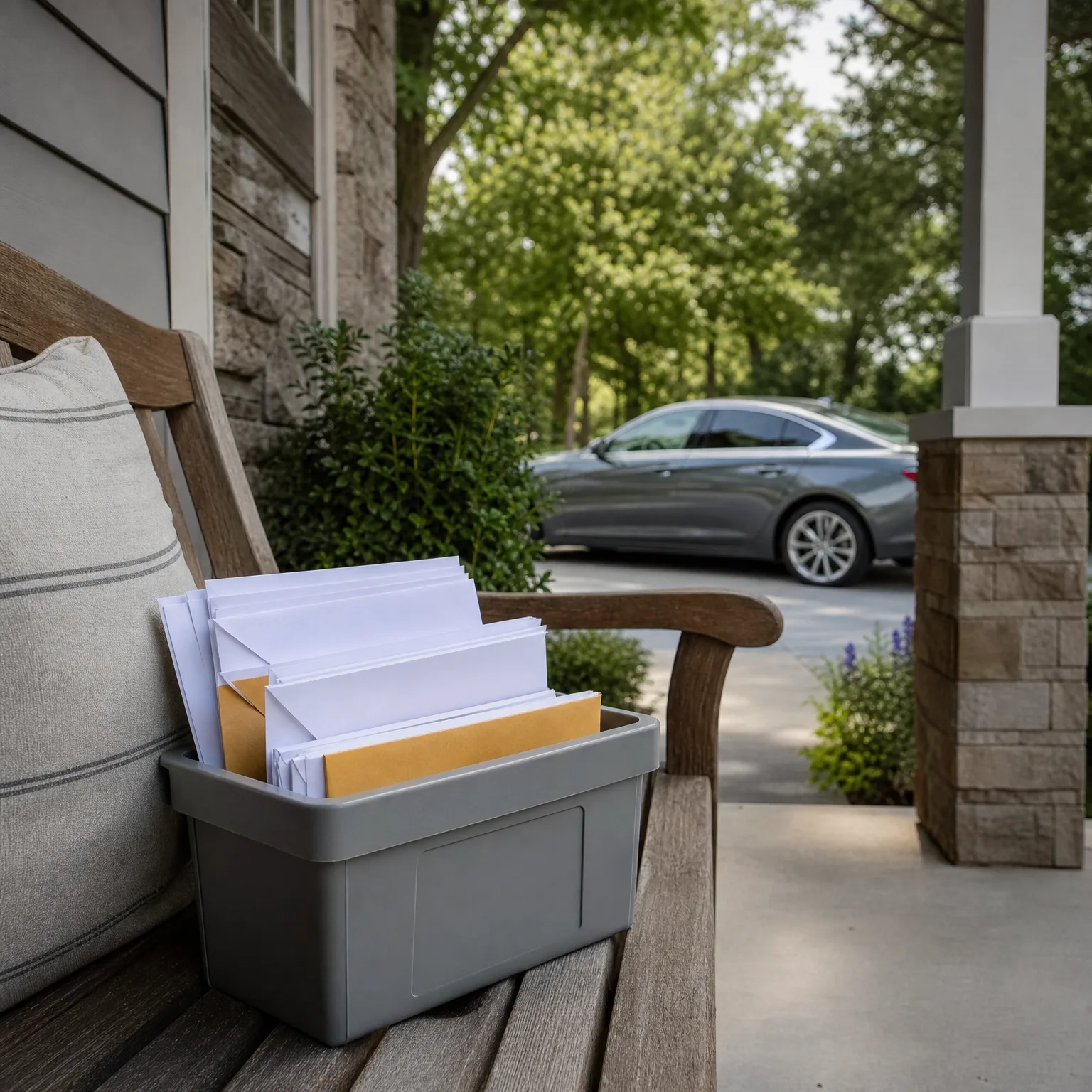
Before you can know if switching saves money, you need to know what you're actually paying now and what you're getting for it. Pull out your renewal notice and look at the premium, the deductible, and the coverage limits, not just the total.
If your premium went up at renewal without any change in your driving record, that's worth paying attention to. Insurers sometimes raise rates gradually for long-time customers, counting on the fact that most people don't shop around. A renewal increase is often the clearest sign that it's worth checking what else is out there.
When you get quotes from other insurers, match the coverage exactly. A lower quote with a higher deductible or less coverage isn't necessarily a better deal. Ask each insurer to quote the same liability limits, the same deductible, and the same extras your current policy has, so the comparison is fair.
If you've taken a defensive driving course or a mature driver course, make sure that's reflected in every quote you request. Some insurers give a lower rate for it, and you want that applied consistently across the quotes you're comparing, not just assumed.

What switching does and doesn't affect
Switching insurers doesn't erase your driving history. Your record follows you, so a quote from a new insurer is still based on your past claims and violations, the same as a renewal would be.
It can affect loyalty-based discounts, though. Some insurers lower your rate over time the longer you stay, for accident forgiveness or claim-free discounts. If you switch, you may give up a discount you've built up, even if the new insurer's base rate is lower. Ask your current insurer what you'd lose by leaving before you decide.
Switching also means a new insurer evaluating you fresh, which can work in your favor if your current insurer has quietly been charging long-term customers more. It can also mean more questions upfront, since a new insurer doesn't have your history on file and will ask you to confirm details your current insurer already knows.
If your health or vision has changed, or if you've had a license restriction added, mention that honestly when you get quotes. It affects how a new insurer prices you, and leaving it out can cause problems later if you ever file a claim.
Questions people ask about this
How often should I compare car insurance quotes?
There's no fixed rule, but checking at each renewal is the simplest habit. Insurers adjust pricing over time, and a comparison at renewal catches increases before you've paid another year at a higher rate.
Will switching car insurance cancel my current policy automatically?
No, you need to cancel it yourself or confirm with your current insurer how they handle the switch. If you don't cancel properly, you could end up paying for two policies at once or have a gap that affects your record.
Does my driving record transfer when I switch insurers?
Your driving history doesn't move with you automatically, but a new insurer will check it through your state's records or a report it pulls when you apply. Be ready to disclose your accident and violation history accurately.
Can I switch car insurance in the middle of a policy term?
In most cases yes, though you may owe a fee or lose part of what you've already paid depending on your insurer's cancellation terms. Check your current policy documents or ask your insurer directly what applies to you.
Does a lapse in coverage affect my rate when I switch?
A gap in coverage can affect how new insurers price you, since continuous coverage is something many of them look at. If you're switching, line up the new policy's start date with your current policy's end date so there's no gap.
See what other insurers would charge you for the same coverage before you decide.
Get your renewal notice out and write down your current premium, deductible, and coverage limits. Request quotes from a few insurers using those exact same numbers, so you're comparing like for like. Ask your current insurer what discounts or loyalty credits you'd lose if you left, so you know the real difference. If you've taken a driving course or had a recent change in health or vision, mention it to each insurer you quote with. Once you have the numbers side by side, you'll know whether switching actually saves you anything or just looks like it does.