Do I Need to Cancel Car Insurance When Switching Providers
Switching insurers doesn't cancel your old policy automatically. You have to end it yourself, and the timing matters.
Yes, you have to cancel the old policy yourself
A new insurer has no way to end your coverage with a different company. That policy stays active, and you keep paying for it, until you call or write to cancel it. Nobody does this step for you.
The safe order is to get the new policy in force first, then cancel the old one. That way there's no gap where you're driving without coverage. A day or two of overlap costs you a little, but a gap can cost you a lot more if your state or lender checks for continuous coverage.
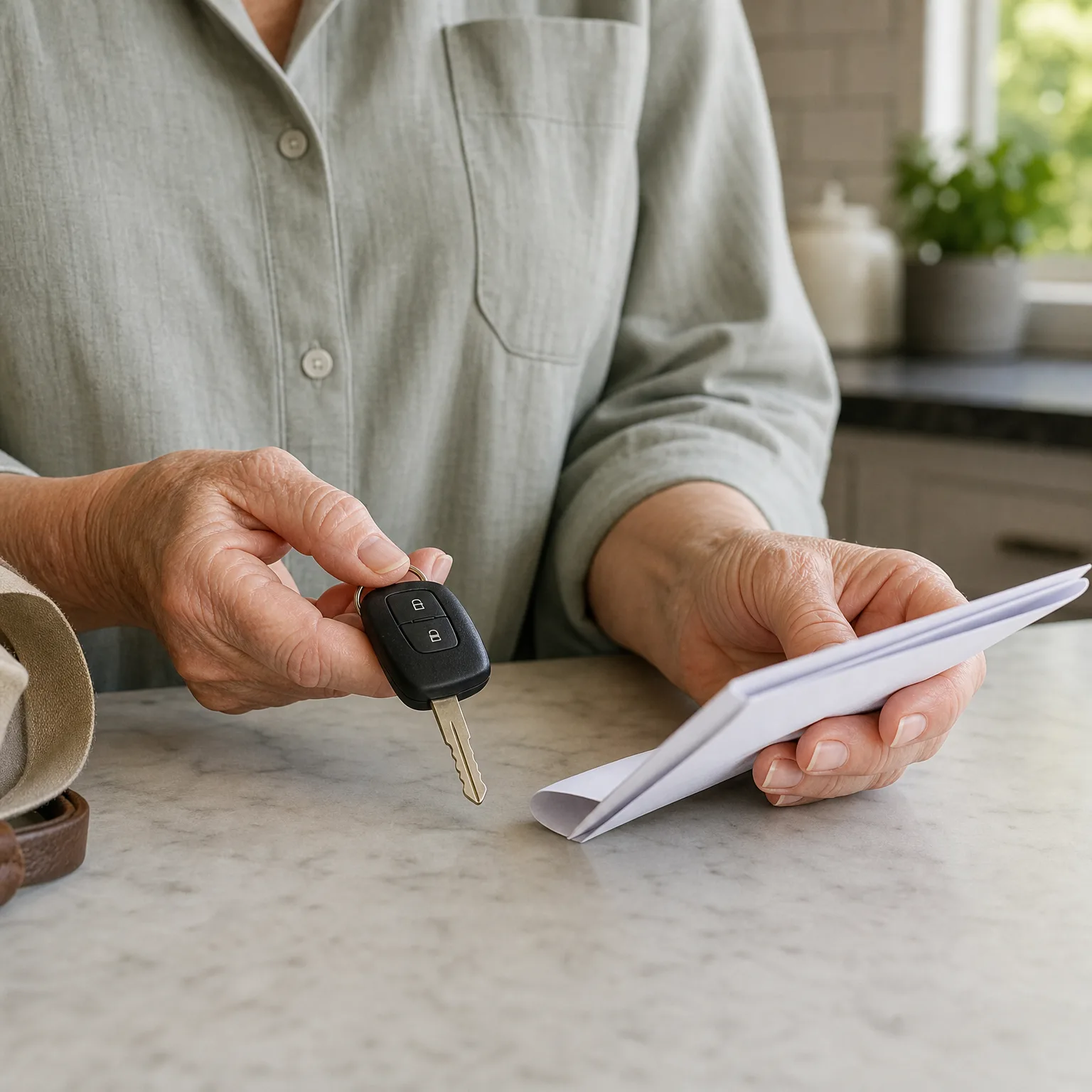
How your insurer handles the cancellation
Some insurers let you cancel with a phone call. Others want it in writing, or want you to log into your account and submit a request there. Ask your current insurer directly what they need, because guessing wrong means the policy stays open longer than you intended.
Ask for the cancellation in writing or get a confirmation number. If the date doesn't match what you asked for, you want to be able to show what you requested.
If you pay by automatic monthly withdrawal, canceling the policy doesn't always stop the withdrawal on its own. Confirm with your bank or your insurer that the payments will actually stop.
If you paid for a full term up front, ask about a refund for the unused months. Most insurers prorate this, but how they calculate it and how long it takes varies by company.

What people get wrong about the timing
The common mistake is canceling the old policy the moment the new one is signed, without checking the start date on the new policy. If the new policy starts tomorrow and you cancel today, you've created a gap for a day, even if that wasn't the plan.
Another mistake is assuming the new insurer notified the old one. They don't talk to each other. Each policy is a separate contract, and only you know both sides of the switch.
If your old insurer has already reported the cancellation to your state's vehicle registration system and your new one hasn't filed yet, you may get a lapse notice even though you were never actually uninsured. Keep records of both policies' start and end dates so you can clear this up quickly if it happens.
Questions people ask about this
Will I get a refund from my old insurance company?
Usually, if you paid in advance and you're canceling before the term ends. Insurers prorate the refund based on the days remaining. Ask your insurer how they calculate it and how it will be paid back to you.
Can I have two car insurance policies at the same time?
Yes, briefly, and this is normal during a switch. Having both active for a day or two while you confirm the new one has started is not a problem. What matters is that you don't let that overlap run on for weeks, since you'd be paying for both.
What happens if there's a gap in my coverage?
A lapse in coverage can show up on your driving record with the state and can also follow you to your next insurer, who may charge more because of it. How long a gap matters and how it affects your rate depends on your state and the insurer, so ask your new company directly if you're unsure.
Does my lender need to know I switched car insurance?
If you have a loan or lease on the car, yes. Lenders usually require proof of insurance on file, and switching companies means sending them your new policy's declarations page. Ask your lender what they need and by when.
How do I cancel my old car insurance policy?
Contact your current insurer directly, by phone or through their website, and ask what they require to process a cancellation. Some want a written request or a signed form. Get the cancellation date confirmed in writing so you have a record of exactly when the old policy ended.
If you're ready to line up a new policy before you cancel the old one, start by comparing what else is out there.
Before you cancel anything, get your new policy's effective date confirmed in writing. Then call your current insurer and ask exactly what they need to process the cancellation, whether that's a phone call, a letter, or an online form. Ask them to confirm the cancellation date and whether you're owed a refund for any unused time. Check with your bank if you pay by automatic withdrawal, so you know that payment will actually stop. If you have a car loan, send your lender the new policy information once it's active. Keep the documents from both policies until you've confirmed the switch went through cleanly.