Car Insurance Went Up When I Moved
Insurers price your policy by where you live, so a new address almost always means a new rate.
Yes, a move can raise your premium on its own
Your address is one of the main things your insurer uses to set your rate. It tells them how likely a claim is where you live now, based on local accident rates, theft rates, weather, and how much it costs to repair a car or treat an injury in that area. Move to a place where any of that is worse than where you were, and your premium goes up even though nothing about you changed.
It can also work the other way. Some people move and see their rate drop. What matters isn't whether you moved, it's what your new location looks like to an insurer compared to your old one. If you want to know why yours went up specifically, ask your insurer to show you the rating factors tied to your new address.
Your state matters as much as your neighborhood
If you moved across state lines, more changed than your zip code. Insurance is regulated state by state, so the minimum coverage you're required to carry, the rules around things like at-fault accidents, and even which insurers operate there can all be different from where you used to live.
This means your old policy may not simply transfer. You may need a new policy written for your new state, and that policy has to meet that state's minimum requirements, not your old one's. If your coverage limits went up to meet a new state minimum, that alone can explain part of the increase.
Even a move within the same state can matter. City and county lines often separate areas with very different claim histories, so moving a short distance can still change your rate.
Check with your insurer or your state's department of insurance if you're not sure what's required where you live now.

What else changed along with the address
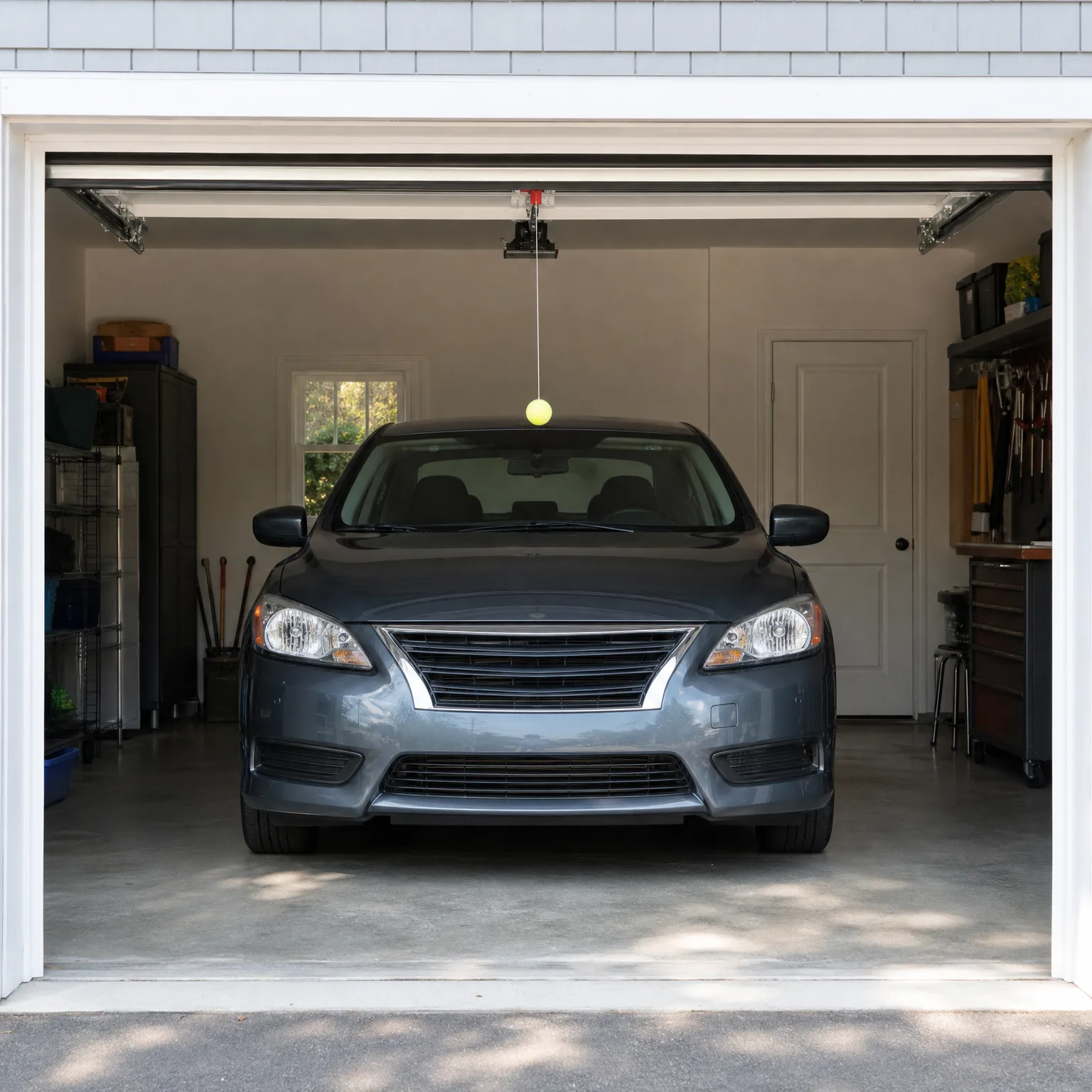
A move often brings other changes that affect your rate, even if you don't think of them as related to insurance. A longer or shorter commute changes how many miles you drive each year, and insurers ask about that. Where you park, in a garage, on the street, in a shared lot, is also something they factor in.
If you switched from a house to an apartment, or the other way around, that can show up too, since it relates to theft and vandalism risk in that kind of housing.
It's worth going through your policy details with your insurer line by line after a move. Sometimes the increase is almost entirely the address. Other times it's the address plus a mileage estimate or parking situation that quietly shifted along with it.
Questions people ask about this
Can I keep my old insurance policy after moving to a new state?
Usually not for long, since your policy has to meet the insurance requirements of the state you actually live in. Most insurers will either update your policy to match your new state or tell you that you need a new one, sometimes with a different company if they don't operate there. Ask your insurer directly what happens to your policy once you report the move.
Do I have to tell my insurer I moved?
Yes, your address is part of what your policy is based on, so insurers require you to report a move. Not reporting it can affect whether a future claim gets paid, since the policy was written for an address that no longer applies. Report the move as soon as you have your new address confirmed.
Why did my insurance go up more than my neighbor's after the same move?
Rates depend on more than the address alone. Your driving record, the car you drive, how you use it, and the coverage and deductibles you chose all factor in alongside location. Two people moving to the same building can end up with different rates because their policies differ in other ways.
Will my rate go back down if I move again later?
It can, if you move somewhere with a lower risk profile than your current address, but that depends entirely on where you go. There's no general rule that rates return to a previous level. Each move is priced on its own based on the new location.
Should I shop for new insurance after moving instead of keeping my current insurer?
It's worth checking, since insurers don't all weigh the same address the same way. One company might rate your new neighborhood favorably while another does not, so the increase you got from your current insurer isn't necessarily what every insurer would charge. Comparing quotes after a move is a reasonable way to find out.
See what other insurers would charge for your new address before you accept this renewal.
Pull up your declarations page and call your insurer to ask exactly which rating factors changed when you updated your address. Have your new address, your annual mileage estimate, and your parking situation ready, since they may ask. If you crossed state lines, ask whether your coverage limits were adjusted to meet that state's minimum requirements. Once you understand what drove the increase, get a few quotes from other insurers using the same new address and coverage limits so you're comparing like for like. Do this before your policy renews again, since some insurers offer better rates to new customers than to existing ones at renewal.