Can I Swap My Car Insurance to a Different Car
You can swap the car on your policy, but your insurer needs to know before you drive it, not after.
Yes, you can put a different car on your policy
Your insurer can move your coverage from one car to another. This is normal and insurers handle it often. You call or log into your account, give them the new car's details, and they update your policy.
Your premium will likely change. A different car means a different value, a different repair cost, and a different risk to the insurer, so they recalculate your rate around the new vehicle. Sometimes it goes up, sometimes down. What it depends on is the car itself and how your insurer prices it.
The new car's value and safety record change your rate
Insurers price a policy around the specific car on it. A newer car, a more expensive car, or a car that costs more to repair usually raises your premium. An older or cheaper car can lower it.
They also look at how that model performs in claims generally, things like how often it's stolen or how it holds up in a crash. You won't know your new rate until you give them the actual make, model, and year.
If you're deciding between two cars and the insurance cost matters, ask your insurer for a quote on each one before you buy. Most will tell you over the phone without any commitment.
If you're older and drive less than you used to, mention it. Some insurers ask about annual mileage when you swap a car, and lower mileage can affect the number they give you.
Timing matters more than people expect
Call your insurer before you start driving the new car, not after. If you're in an accident while driving a car that isn't the one listed on your policy, your insurer may not cover it the way you expect. This catches people off guard when they buy a car and drive it home before updating anything.
Most insurers give you a short window to notify them after you take ownership of a new car, especially if you're replacing a car you already insure. That window is set by your insurer, not a fixed rule everywhere, so ask them directly what it is and whether you're covered during it.
If you're selling the old car and buying the new one on the same day, ask your insurer how they want you to handle the overlap. Some will cover both cars briefly during the swap, others want the paperwork done in a specific order.
Questions people ask about this
Do I need a new policy or can I just update my current one?
You update your current policy. Your insurer swaps the vehicle details on your existing policy rather than writing a new one, so your policy number and history usually stay the same. Ask them to confirm nothing else on the policy changes without you knowing.
Will my discounts carry over to the new car?
Most discounts tied to you as a driver, like a safe driver discount or a course completion discount, carry over. Discounts tied to the car itself, like one for an anti-theft device or a car with certain safety features, depend on whether the new car has those same features. Ask your insurer which discounts are attached to you and which are attached to the vehicle.
What information does my insurer need to swap the car?
They'll want the VIN, make, model, and year of the new car, along with how you use it, such as commuting or occasional driving. If you just bought the car, having the bill of sale or title on hand makes the call faster. They may also ask who else will be driving it.
Can I swap to a car that's not in my name?
This depends on your insurer and the relationship between you and the car's owner. Insuring a car you don't own, like one registered to a family member, sometimes requires extra steps or isn't allowed under a standard policy. Ask your insurer directly before you assume it works the same as insuring your own car.
What happens to the old car once I swap coverage to the new one?
Once you remove the old car from your policy, it's no longer covered under your insurance. If you're keeping the old car, even to sell later or let someone else drive, ask your insurer whether it needs separate coverage in the meantime.
See how switching cars could change what you pay before you make the swap.
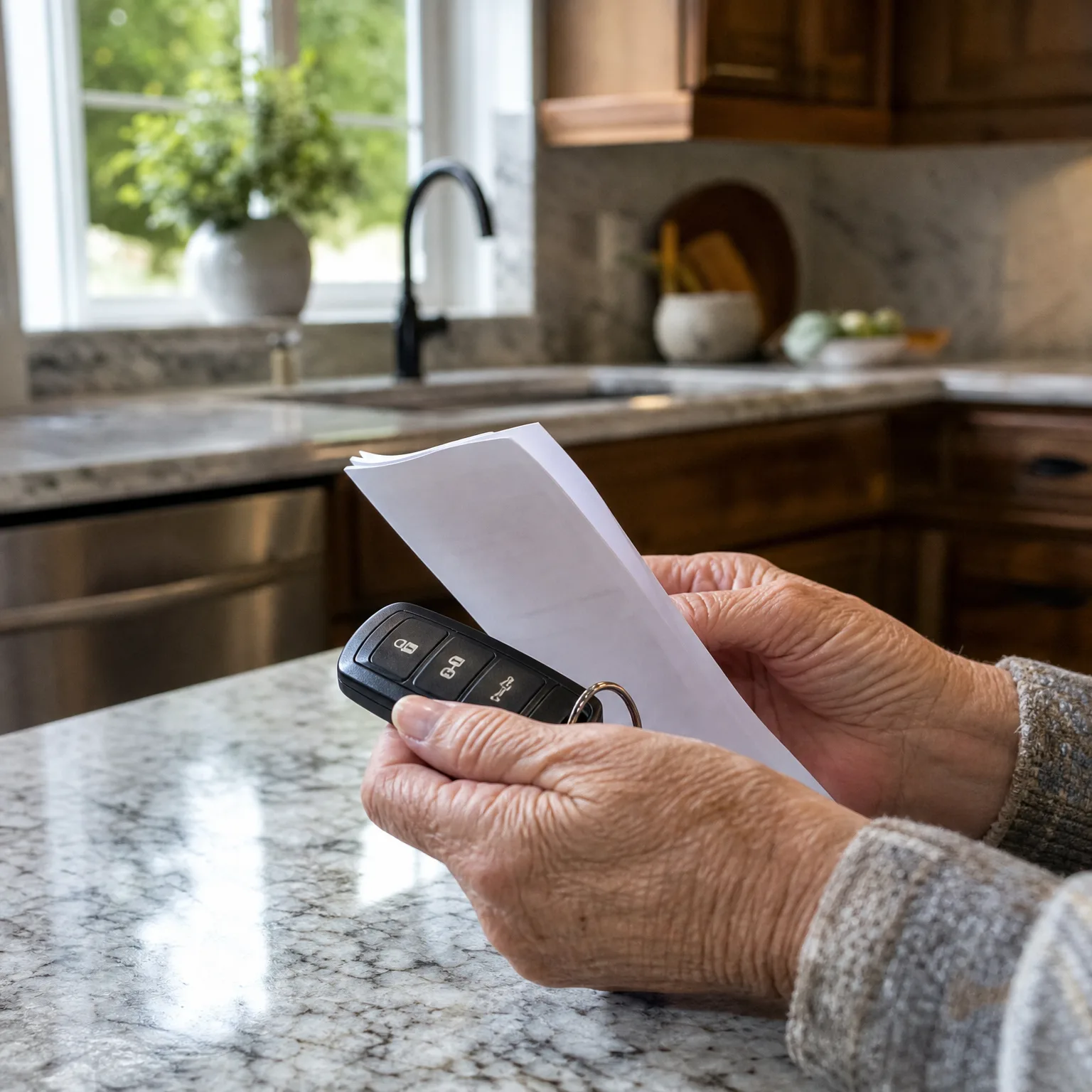
Before you drive the new car anywhere, call your insurer and give them the VIN, make, model, and year. Ask what your new premium will be and whether there's a gap in coverage between removing the old car and adding the new one. If you're still deciding between cars, ask for a quote on each so cost factors into your choice. Keep the bill of sale or title nearby since they'll likely ask for details from it. If you're helping a parent with this, it's worth being on the call, since insurers sometimes ask questions the policyholder doesn't expect.